.webp)

Florida homeowners know the drill: every June 1st through November 30th, hurricane season turns the Sunshine State into a testing ground for everything on your property. While most people focus on shutters, generators, and sandbags, your gutter system is one of the most critical — and most overlooked — pieces of storm defense.
Here's why: during a major storm, a single inch of rain on a 2,000-square-foot roof produces over 1,200 gallons of water. A Category 1 hurricane can dump 6-12 inches. That's up to 15,000 gallons of water that needs to go somewhere — and if your gutters aren't ready, it's going straight into your foundation, fascia, and landscaping.
Why Gutters Fail During Hurricanes
Most gutter failures during storms aren't caused by the wind itself. They're caused by months of neglect that come to a head when the weather gets serious:
- Clogged gutters add weight. A 50-foot gutter run packed with wet debris can weigh over 300 pounds — enough to rip hangers right off the fascia board when wind gets underneath.
- Overflowing water erodes foundation soil. When gutters overflow, water cascades directly along the foundation line, saturating soil and creating hydrostatic pressure against basement walls.
- Loose hangers create weak points. One loose hanger becomes a leverage point for wind. Once a section pulls away, the entire run can unzip in minutes.
- Debris-filled downspouts create back-pressure. Water with nowhere to go backs up, spills over, and finds every crack and gap in your roof edge.
The Pre-Hurricane Gutter Checklist
Start this checklist before June 1st. Don't wait for the first named storm — by then, every gutter company in Jacksonville is booked solid.
1. Full Gutter Cleaning
Remove all debris from gutters and downspouts. This is non-negotiable. Even if you cleaned them in spring, Florida's oak pollen, pine needles, and seed pods accumulate fast. A professional cleaning ensures every section is clear and water flows freely.
2. Inspect and Tighten Hangers
Walk the perimeter of your home and look up. Gutters should sit flush against the fascia with no visible gaps. Hangers should be spaced every 24 inches — in Florida's storm zone, we recommend every 18 inches for added wind resistance. Any loose hangers need to be resecured or replaced with heavy-duty alternatives.
3. Check Gutter Slope
Gutters should slope toward downspouts at approximately ¼ inch per 10 feet. Standing water in your gutters means improper slope — and standing water during a hurricane means added weight and overflow exactly where you don't want it.

4. Inspect Downspout Extensions
Downspouts should direct water at least 4-6 feet away from your foundation. During hurricane-level rainfall, this is the difference between a dry home and a flooded crawlspace. Consider adding splash blocks or underground drain lines if your current extensions are short.
5. Evaluate Gutter Guard Protection
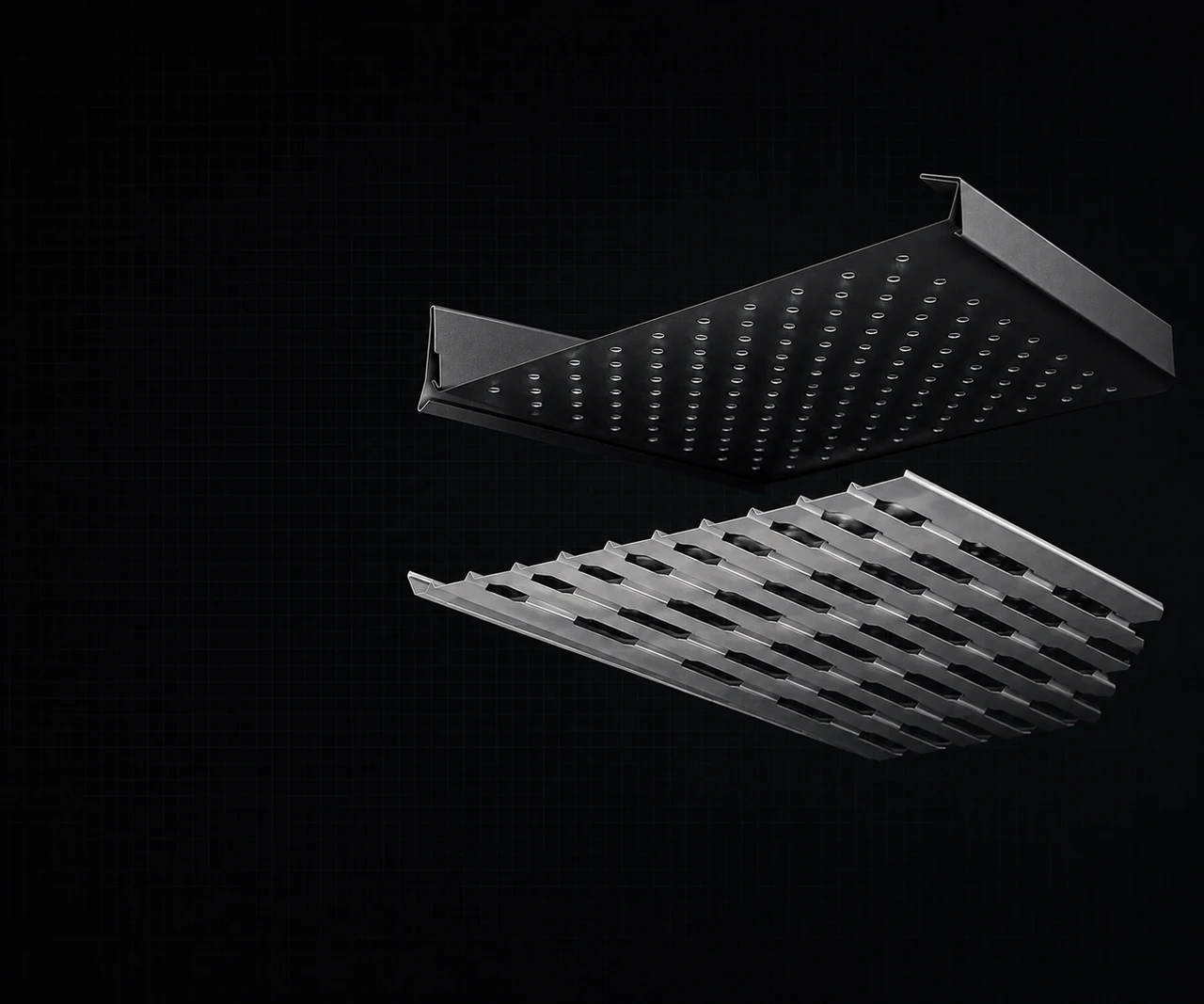
If you don't have gutter guards, hurricane season is the strongest argument for them. Micro-mesh guards keep debris out while allowing maximum water flow — critical when you're dealing with 3+ inches of rain per hour. They also prevent the weight buildup that causes gutters to tear away in high winds.
6. Trim Overhanging Branches
Branches within 6 feet of your roofline are projectiles waiting to happen. They also drop debris directly into gutters. Trim them back before storm season, and you'll solve two problems at once.
7. Document Your Gutter System
Take photos of your gutters, downspouts, and any existing damage before hurricane season. If you need to file an insurance claim after a storm, having dated "before" photos makes the process dramatically smoother.
What to Do After the Storm
Once a storm passes, inspect your gutters before doing anything else exterior:
- Look for sections that pulled away from the fascia — even small gaps allow water behind the gutter.
- Check downspouts for blockages — debris gets forced into downspouts during heavy rain. Run a hose from the top to confirm flow.
- Inspect for dents or cracks — flying debris can puncture aluminum gutters. Small cracks become big problems at the next rain.
- Clear any debris from gutters and gutter guards as soon as it's safe to do so.
When to Call a Professional
If you notice any of these after a storm, call a professional immediately:
- Gutters sagging or pulling away from the house
- Water staining on fascia or soffit
- Standing water near your foundation
- Visible cracks, dents, or separation at seams
- Downspouts disconnected or crushed
At Clean Gutter Protection, we offer free post-storm gutter inspections throughout Northeast Florida. We've seen what hurricanes do to gutter systems — and we've built thousands of homes' defenses to handle whatever the Atlantic throws at them.
Don't wait for the first named storm. Schedule your free pre-hurricane gutter inspection today or call us at (888) 507-4854.