.webp)

Summer Gutter Maintenance in Florida: Beat the Heat and Hurricane Season
Summer is when Jacksonville and Northeast Florida gutters earn their keep. Almost-daily afternoon downpours, heavy humidity, leftover spring debris from live oaks, a steady drop of pine needles, and the start of hurricane season on June 1 all hit at once. A gutter that is half-clogged in May becomes an overflowing waterfall onto your foundation by July.
Here is what to check, month by month, so your gutters handle the summer storms instead of dumping that water against your house.
Why Florida Summers Destroy Unprepared Gutters
Extreme Heat Stress
Florida summer days run hot, and a dark roof edge in full sun gets much hotter than the air. Then an afternoon storm cools everything off in minutes. Aluminum gutters expand in the heat and contract when the rain hits, day after day, and long runs move the most. Over a few summers that repeated movement shows up as:
- Joint separation: Expansion gaps that turn into permanent leaks
- Fastener failure: Mounting brackets that loosen and eventually fail
- Warping and sagging: Permanent deformation that affects water flow
- Sealant failure: Caulking that cracks and allows water infiltration
Intense Storm Activity
Northeast Florida's summer thunderstorms can drop an inch or more of rain in a short burst. A 1-inch rain on 1,000 square feet of roof is roughly 600 gallons of water, and during a downpour most of it arrives in minutes. Gutters that look fine on a dry day overflow when a single downspout is partly blocked or the gutter is undersized for the roof above it. If your gutters spill over in every afternoon storm, see how gutter guards built for Florida rain keep the channel open so it can actually carry that volume.
Wet Debris and Standing Water
Heat, humidity, and daily rain turn leaves and pine needles into a wet, compacted sludge in the bottom of the gutter. That muck grows algae and even seedlings, holds water against seams and fasteners, adds weight that pulls on hangers, and gives mosquitoes a place to breed. It also slows water to a crawl right when the storms need the gutter to move it fastest.
June: Early Summer Preparation and Deep Cleaning
Full Gutter Inspection
Start in early June, before the storm pattern settles in. Live oaks drop most of their leaves and tassels in late winter and spring, so by June that debris is packed into gutters and downspouts. Check for it, plus anything spring storms loosened:
- Fascia board condition: Look for water damage or rot behind gutters
- Downspout anchoring: Ensure all connections remain secure
- Slope verification: Confirm proper drainage toward downspouts
- Joint integrity: Test all connections before thermal stress begins
A Thorough Early-Summer Cleaning
Skimming leaves off the top isn't enough. A proper gutter cleaning removes the compacted sludge at the bottom of the trough, flushes every downspout until water runs freely at the outlet, and checks the elbows where oak tassels and pine needles jam. Do it now and your gutters start storm season empty.
Check Joints and Long Runs
Long gutter runs move the most with heat. Look at end caps, corner miters, and any expansion joints for cracked sealant or gaps, and reseal before the daily storms start testing them. Leaking joints and sagging sections are a gutter repair job best done before July, not after a storm.
July: Mid-Summer Storm Season Management
Rapid Response Cleaning
After a strong storm, take a walk around the house within a day or two and look for:
- New debris accumulation from high winds
- Loose brackets or fasteners
- Standing water that indicates drainage problems
- Overflow marks or washed-out mulch under a section of gutter
Work Early, Not at Midday
If you're getting on a ladder yourself in July or August, go early in the morning. By midday, sun-baked metal gutters and roof edges are hot enough to burn bare hands, and heat exhaustion on a ladder is a fall waiting to happen. Afternoons bring lightning, so that window is out too.
Catch Small Storm Damage Early
A bent hanger or a downspout knocked loose by wind looks minor, but every storm after that makes it worse. Fix it between storms. If a storm did real damage, photograph it right away; our gutter damage insurance claim guide explains what to document.
August: Get Ready for the Peak of Hurricane Season
Hurricane season runs June 1 to November 30, and the busiest stretch is late summer into fall. By August, your gutters should be clean, firmly attached, and draining away from the house. Check that every hanger is tight, downspout extensions are secured or ready to store, and any gutter guards are fastened down. For the full storm checklist, see our hurricane season gutter prep guide.
Don't wait for a watch to be issued. Once a storm is on the map, everyone calls at once. Getting cleaning or repairs done in August, while the sky is quiet, is the easy way to be ready.
Keeping Gutters Clear of Summer Muck
Why Florida Gutters Never Get a Break
Up north, a hard freeze slows everything down. Here, warm wet weather keeps debris breaking down and growing all year, and summer is the peak. Pine needles fall year-round, oak debris lingers from spring, and wind-blown seeds sprout in any gutter with wet sludge in it.
Clear It Out, Don't Just Treat It
The fix for green, slimy, or sprouting gutters is getting the debris out, not spraying it. Scoop the trough to bare metal, flush it, and confirm the downspouts run clear. Once the organic material is gone, there is nothing left for algae and weeds to grow in, and water stops sitting in the gutter.
Keep It From Coming Back
Trim branches that hang over the roof, and keep up a regular cleaning schedule through the wet months. Under heavy pine or oak cover, the long-term answer is to stop the debris from getting into the gutter at all, which is where gutter guards come in.
Gutter Guard Performance in Summer Heat
Heat-Related Guard Problems
Summer heat reveals gutter guard problems that aren't apparent during cooler months:
- Thermal buckling: Guards that warp under extreme heat
- Expansion gaps: Spacing problems that allow debris infiltration
- UV degradation: Plastic components that become brittle and crack
- Metal expansion: Guards that pull away from attachment points
What Holds Up in Florida Sun
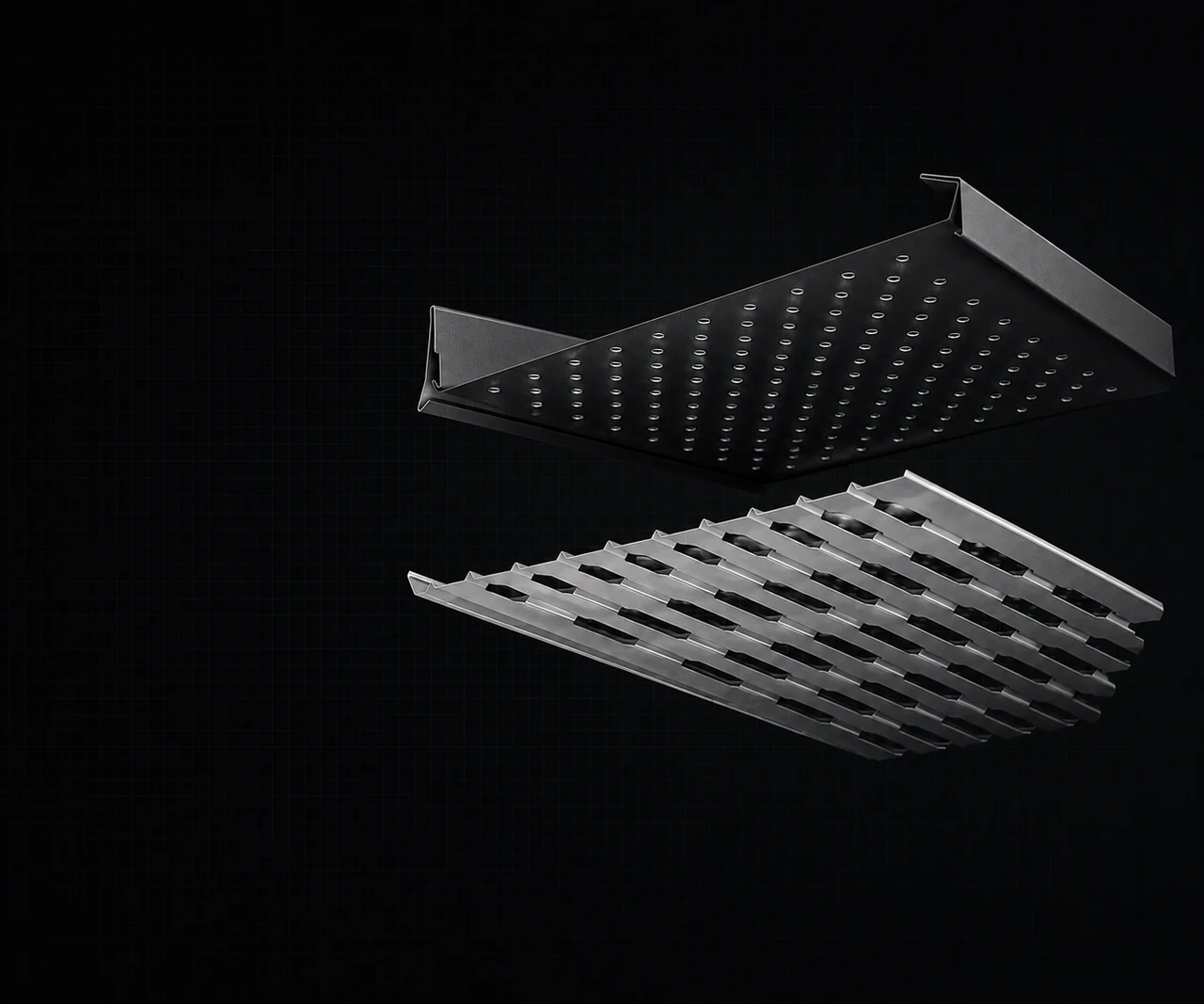
Cheap plastic and foam inserts are the first to fail in Florida: sun makes plastic brittle, and foam holds the wet muck you were trying to keep out. Look for a metal guard that is fastened securely and handles both fine pine needles and heavy downpours. Our gutter guards are built for Northeast Florida conditions and install without lifting your shingles.
Summer Care for Guarded Gutters
Guards cut cleaning way down, but they aren't zero maintenance. Brush off any needles or leaves sitting on top after a windy storm, and glance at the fasteners once a season, especially near the beaches where salt air is hard on hardware.
Professional vs DIY Summer Maintenance
When DIY Makes Sense
Clearing a single-story gutter from a stable ladder in the cool of the morning is a reasonable DIY job. Two-story homes, steep roofs, and anything involving loose hangers or leaking seams are where a pro earns the fee. Summer heat, slick roof edges after rain, and afternoon lightning make ladder work riskier than it looks.
Line Up Help Before You Need It
When a storm knocks a gutter loose, you want someone already lined up. Our call center is available 24/7, so you can reach us whenever a problem shows up.
Water Management and Drainage Enhancement
Upgrading for Summer Storm Intensity
If clean gutters still overflow in a normal afternoon storm, the system is probably too small for the roof. Larger seamless gutters or additional downspouts spread the load so water leaves the roof without spilling over the front edge. A seamless gutter installation sized for your roof fixes the problem at the source.
Get Water Away From the Foundation
Northeast Florida's sandy soil soaks up water fast and washes out just as fast. A downspout that dumps right at the wall erodes the soil along your foundation and splashes dirt up onto the siding. Use extensions or splash blocks to carry water several feet out, and keep them pointed away from walkways and the house.
Where a Drain Fits In
On flat, low lots where water has nowhere to go, some homeowners have a drainage contractor install an underground drain that the downspouts feed into. That is drainage work, not gutter work, but your gutters and downspouts need to be clean and properly sized for any drain to do its job.
Emergency Repair and Storm Response
Common Summer Emergency Situations
Most summer gutter emergencies fall into a few patterns:
- Sudden overflow during storms: Usually indicates blockage that requires immediate clearing
- Bracket failure from expansion: Requires professional repair before next storm event
- Joint separation from thermal stress: Creates leaks that worsen rapidly if not addressed
- Packed sludge blocking a downspout: Causes sudden backup during heavy rainfall
Planning Ahead
Keep a Simple Record
Take a few dated photos of your gutters after each cleaning or repair and keep the receipts. If a storm does damage later, a record of how the gutters looked before helps you show what changed.
Use Summer to Plan Upgrades
Summer storms show you exactly where your gutters fall short: the corner that always overflows, the run that sags, the downspout that never keeps up. Note those spots now and plan repairs, guards, or replacement before the next storm season.
Get Your Gutters Summer-Ready
Clean gutters, tight hangers, sealed joints, and downspouts that carry water away from the house are what get a Northeast Florida home through summer storms without water damage. If you'd rather not be on a ladder in July, or you're tired of cleaning up after the pines and oaks, we can help with cleaning, repairs, and gutter guards across Jacksonville, St. Augustine, Ponte Vedra, Orange Park, and the surrounding area.
Get My Free Estimate for an in-person visit and a written quote, or call our 24/7 call center at (888) 507-4854.