.webp)

Key Takeaways:
- LeafFilter and micro mesh guards use nearly identical technology - the main difference is branding and price
- LeafFilter costs 3-4x more ($15-25/ft vs $4-8/ft for micro mesh) with similar performance
- Both handle Florida's heavy rains excellently, but micro mesh offers better hurricane resistance
- LeafFilter's warranty is longer on paper but harder to claim due to franchise structure
- Installation quality matters more than brand - choose your contractor, not just the product
- Micro mesh provides 90% of LeafFilter's benefits at 25% of the cost
You've probably seen LeafFilter's aggressive TV and radio ads promising to "never clean your gutters again." Maybe you've had their sales rep at your door with a 3-hour presentation and a contract that costs more than a used car.
Before you sign anything, let's have an honest conversation about what you're actually buying.
After installing both LeafFilter and micro mesh systems across Jacksonville for over a decade, I'll break down the real differences, costs, and performance so you can make an informed decision.
What Exactly Are You Comparing?
LeafFilter: The Brand Name
LeafFilter is a franchise-based company that sells a specific type of micro mesh gutter guard system. Think of it like Kleenex - it's a brand name for a product category that many companies make.
LeafFilter's System:
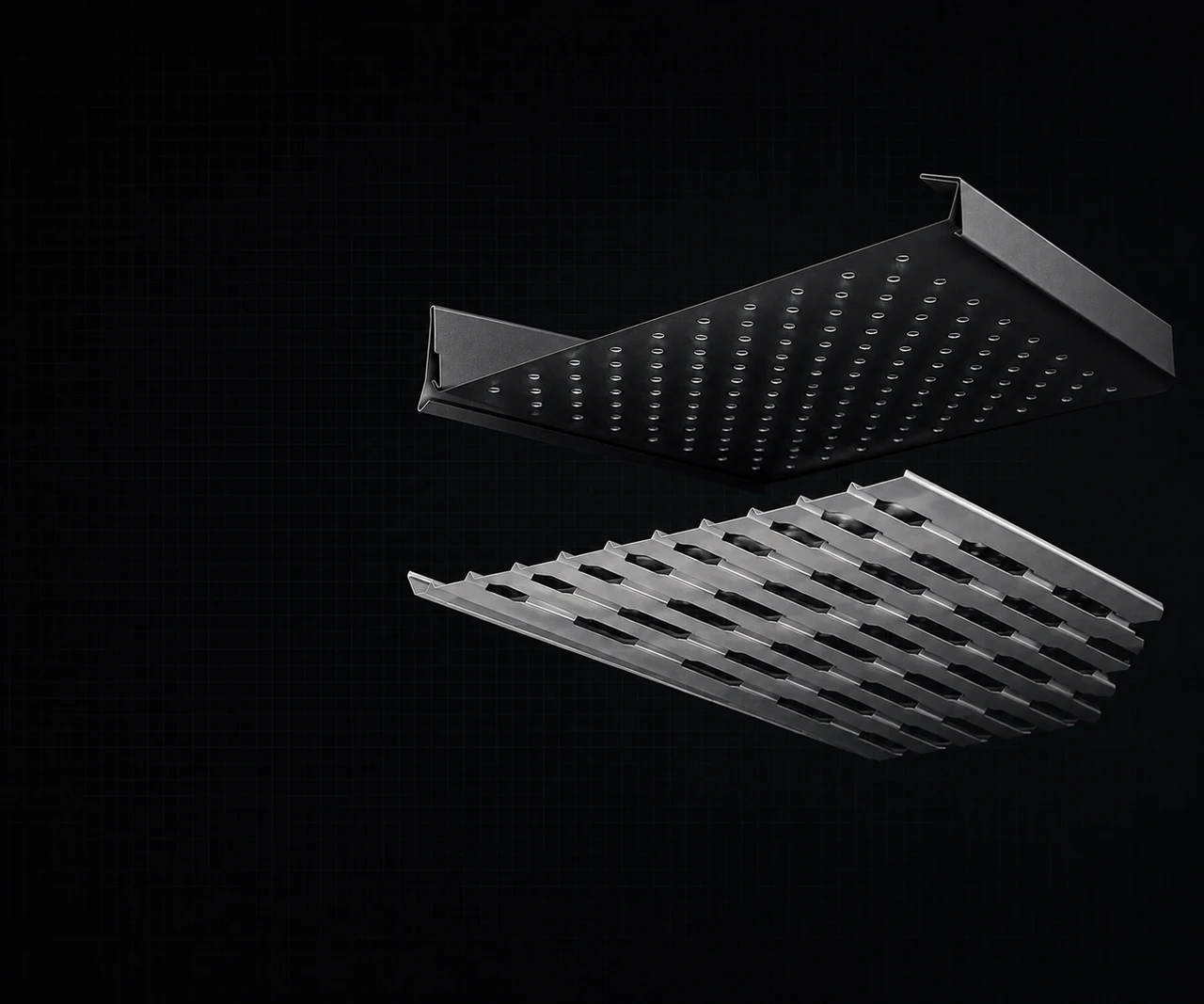
- Surgical-grade stainless steel micro mesh (holes smaller than sand grains)
- Aluminum frame that fits over existing gutters
- Professional installation through franchise network
- Transferable warranty system
- Heavy marketing budget (which you pay for)
Micro Mesh Guards: The Product Category
Micro mesh is the technology, not a brand. It's the same basic concept: tiny holes that let water through while blocking all debris.
Generic Micro Mesh:
- Same surgical-grade stainless steel mesh
- Similar aluminum frame construction
- Installed by local contractors
- Various warranty options
- Much lower marketing costs
The core technology is essentially identical. You're choosing between a heavily marketed brand and a generic version of the same product.
Performance Comparison: How They Actually Work
Water Flow Performance
Both systems excel at water management:
- Handle Florida's 3+ inch per hour downpours without issues
- Mesh allows water surface tension to pull rain into gutters
- Work effectively on steep and shallow roof pitches
- Maintain flow rates even with debris buildup on surface
Real-world Jacksonville testing: Both systems handle our intense summer storms equally well. I've never seen a properly installed micro mesh system overflow due to the guard itself.
Debris Protection
LeafFilter's Claims:
- Blocks leaves, pine needles, shingle grit, and insects
- "Never clean gutters again"
- Handles heavy debris loads
Micro Mesh Reality:
- Identical debris protection - same hole size, same materials
- Also blocks 100% of debris that would enter gutters
- Requires same minimal maintenance (seasonal rinse)
Florida-Specific Performance:
- Oak leaves: Both handle our massive fall drops equally
- Pine needles: Neither gets clogged by longleaf or slash pine needles
- Spanish moss: Both systems shed hanging moss effectively
- Hurricane debris: Micro mesh's lower profile actually performs better in high winds
Cost Breakdown: Where Your Money Goes
LeafFilter Pricing Structure
LeafFilter pricing varies by market and sales rep, but here's the typical Jacksonville breakdown:
LeafFilter Costs (per linear foot):
- Standard installation: $15-20/ft
- Complex roof lines: $20-25/ft
- Additional features: $5-10/ft
- Total for average home (150 ft): $2,250-$3,750
What drives LeafFilter's high costs:
- Franchise fees and overhead
- Heavy advertising budget (those TV ads aren't cheap)
- Sales commissions (often 30-40% of contract price)
- Multi-layer management structure
- National brand premium
Micro Mesh Pricing Reality
Quality micro mesh from local contractors costs significantly less:
Micro Mesh Costs (per linear foot):
- Standard installation: $4-6/ft
- Complex installations: $6-8/ft
- Premium materials: $8-10/ft
- Total for average home (150 ft): $600-$1,500
Why micro mesh costs less:
- No franchise fees or national advertising costs
- Direct contractor relationships
- Competitive local market pricing
- Lower overhead and sales costs
Value Analysis
LeafFilter: You're paying $2,250-$3,750 for a product that costs about $300-500 in materials plus professional installation.
Micro Mesh: You're paying $600-$1,500 for the same materials and comparable installation quality.
The premium you pay for LeafFilter primarily covers marketing, not superior performance.
Installation Quality: What Really Matters
LeafFilter Installation Process
Pros:
- Standardized training program for franchisees
- Detailed installation specifications
- Quality control inspections (in theory)
- Branded tools and equipment
Cons:
- Franchise quality varies dramatically by location
- High sales pressure often leads to rushed installations
- Limited ability to customize for unique situations
- Difficult to get warranty service if franchise closes
Local Micro Mesh Installation
Pros:
- Choose contractors based on local reputation and reviews
- More flexible pricing and customization options
- Direct relationship with installer for warranty issues
- Often more experienced with local roof types and challenges
Cons:
- Quality varies by contractor (choose carefully)
- No standardized training program
- Warranty terms vary by installer
The Truth: Installation quality matters far more than brand. A skilled local contractor installing micro mesh will outperform a rushed LeafFilter franchise installation every time.
Warranty Comparison: Fine Print Reality
LeafFilter's Warranty
What they advertise:
- Lifetime warranty on materials and performance
- Transferable to new homeowners
- Nationwide service network
The reality:
- Warranty tied to specific franchise, not corporate LeafFilter
- If franchise closes or changes hands, warranty can become worthless
- Service calls often result in charges for "cleaning" or "maintenance"
- Transfer process can be complex and costly
Micro Mesh Warranties
Typical local contractor warranties:
- 15-25 year material warranties
- 5-10 year installation warranties
- Direct relationship with installer
- Clear, straightforward terms
Advantages:
- Easier to enforce with local contractors
- Less bureaucracy for warranty claims
- Contractor's reputation depends on standing behind work
Disadvantages:
- Generally shorter warranty periods
- Not transferable to new owners
- Tied to specific contractor's business longevity
Florida-Specific Warranty Considerations
Hurricane damage coverage:
- LeafFilter may require separate hurricane rider
- Local contractors often include storm damage coverage
- Insurance claims process varies significantly between systems
Material Quality: Apples to Apples
Mesh Specifications
Both systems typically use:
- 316L surgical-grade stainless steel mesh
- 35-50 mesh count (35-50 holes per linear inch)
- 0.024" wire diameter
- Rust and corrosion resistance rated for coastal environments
Frame Construction
LeafFilter frames:
- Extruded aluminum construction
- Powder-coated finish
- Custom bent for gutter profiles
- Hidden fastener system
Quality micro mesh frames:
- Identical aluminum construction and finishes
- Same custom bending capabilities
- Similar fastener systems
- Often from the same manufacturers
Bottom line: The materials are virtually identical. You're not getting superior components with LeafFilter.
Hurricane and Storm Performance
Wind Resistance
Micro mesh advantages in Florida storms:
- Lower profile creates less wind resistance
- Fewer catch points for flying debris
- Less likely to create uplift on roof edges
- Easier to inspect and repair post-storm
LeafFilter in hurricanes:
- Higher profile can catch wind and debris
- More complex attachment points
- Potentially more expensive to replace damaged sections
- May void roof warranty if not properly integrated
Post-Storm Maintenance
Both systems require:
- Post-hurricane inspection for damage
- Removal of large debris from surface
- Checking for loose fasteners or bent sections
- Professional assessment of any gutter damage
Local contractor advantage: Faster response times for post-storm service compared to waiting for franchise scheduling.
Sales Process: What to Expect
LeafFilter Sales Experience
Typical process:
- Aggressive marketing (TV, radio, door-to-door)
- High-pressure sales presentations (2-3 hours)
- "Today only" pricing pressure
- Limited ability to negotiate or customize
- Complex contracts with fine print
Red flags to watch for:
- Prices that seem too good to be true (often bait and switch)
- Pressure to sign immediately
- Reluctance to provide written quotes
- Vague warranty language
Local Contractor Sales Process
Better experience typically includes:
- Straightforward quotes and pricing
- Ability to see local reference installations
- Flexible scheduling and customization
- Clear, simple contracts
- Time to make informed decisions
Making the Right Choice for Your Home
Choose LeafFilter If:
- You prefer national brand recognition over value
- You're willing to pay 3-4x more for identical performance
- You plan to sell your home soon (transferable warranty)
- You can't find reputable local contractors
Choose Micro Mesh If:
- You want maximum value for your investment
- You prefer working with local businesses
- You want to choose your contractor based on reputation
- You understand that performance matters more than branding
Red Flags for Either System:
- Contractors who won't provide local references
- Pressure to sign contracts immediately
- Prices significantly below market rates
- No proof of licensing and insurance
- Reluctance to explain warranty terms clearly
Florida-Specific Considerations
Hurricane Preparedness
- Both systems help prevent debris-clogged gutters during storms
- Micro mesh's lower profile typically performs better in high winds
- Local contractors often provide faster post-storm service
Salt Air Corrosion
- Both use marine-grade stainless steel suitable for coastal areas
- Aluminum frames should be powder-coated for longevity
- Regular rinsing extends lifespan in salt air environments
Insurance and Code Compliance
- Both systems typically meet Florida building codes
- Some insurance companies offer discounts for gutter protection
- Local contractors often better understand regional code requirements
The Contractor's Honest Assessment
After installing both systems for over a decade, here's my unbiased take:
LeafFilter isn't bad technology - it works exactly as advertised. The micro mesh design is excellent for Florida's climate and debris loads.
But you're paying a massive premium for aggressive marketing and brand recognition. The same technology, installed by qualified local contractors, delivers identical performance at 25% of the cost.
Your money is better spent on higher-quality installation and keeping the savings for other home improvements.
Making Your Decision
The choice isn't really between LeafFilter and micro mesh - it's between paying for national branding versus getting the same technology at a fair price.
Questions to ask any contractor:
- Can you show me local installations I can inspect?
- What's included in your warranty, and how do I make claims?
- Are you licensed, bonded, and insured for gutter work?
- What happens if my roof needs work later?
- How do you handle post-storm service calls?
Get multiple quotes from both LeafFilter representatives and local contractors installing micro mesh systems. Compare not just price, but materials, warranty terms, and the contractor's reputation in your community.
The right answer for your home depends on your priorities: maximum value and performance, or the peace of mind that comes with a national brand name.
Ready to explore your options? We install premium micro mesh gutter guards with materials identical to national brands, backed by our triple-lifetime warranty and local service guarantee. Get your free estimate at get your free estimate or call (888) 507-4854.
Compare us to anyone - including LeafFilter. We're confident in our value proposition.