Pine needles and fine debris being removed from a gutter before guard installation

Debris-specific guide

Gutter Guards Designed for Fine, Persistent Pine Needles

Pine needles create a different gutter problem than broad leaves. They can pass through larger screen openings, bridge across outlets, combine with roof grit, and form dense mats. The right solution needs a fine barrier without ignoring the volume and direction of rainwater reaching the roof edge.

Quick answer

What homeowners should know first

  • Fine needles can slip through or lodge in the openings of common perforated screens.
  • Micro mesh keeps the separation point above the gutter instead of letting needles settle around outlets.
  • Existing debris must be removed before guards are installed; covering a clogged gutter does not solve the blockage.
  • Roof valleys and heavily wooded exposures need special attention because runoff and needles often concentrate in the same area.

Why pine needles create stubborn clogs

A single pine needle is narrow enough to penetrate many common screens. Once inside, needles interlock with one another and collect shingle grit, pollen, and small organic material. The resulting mat can slow water before the homeowner sees an obvious pile of leaves.

Needles can also sit across a downspout opening or elbow, where a relatively small amount of debris causes a much larger drainage problem.
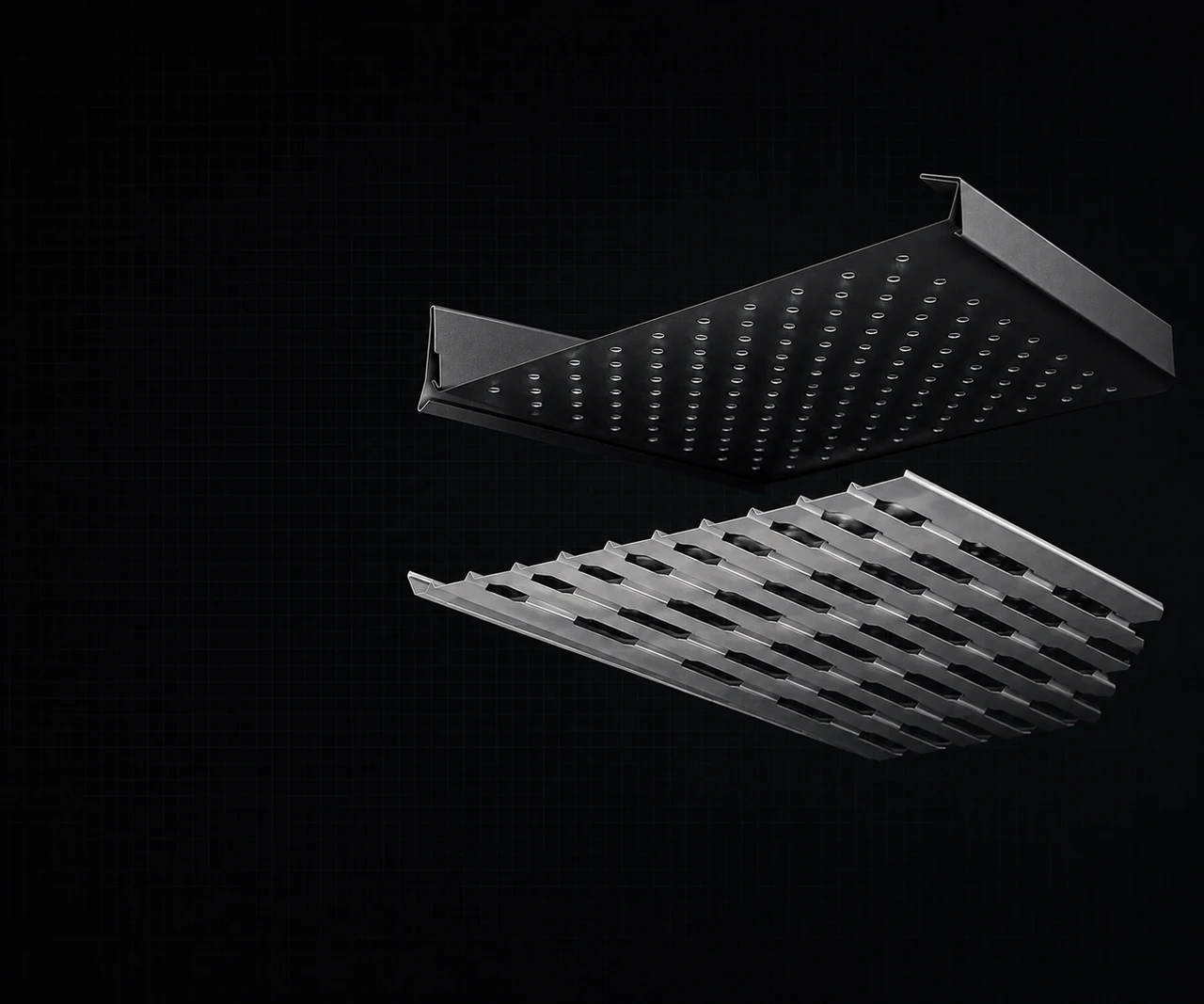
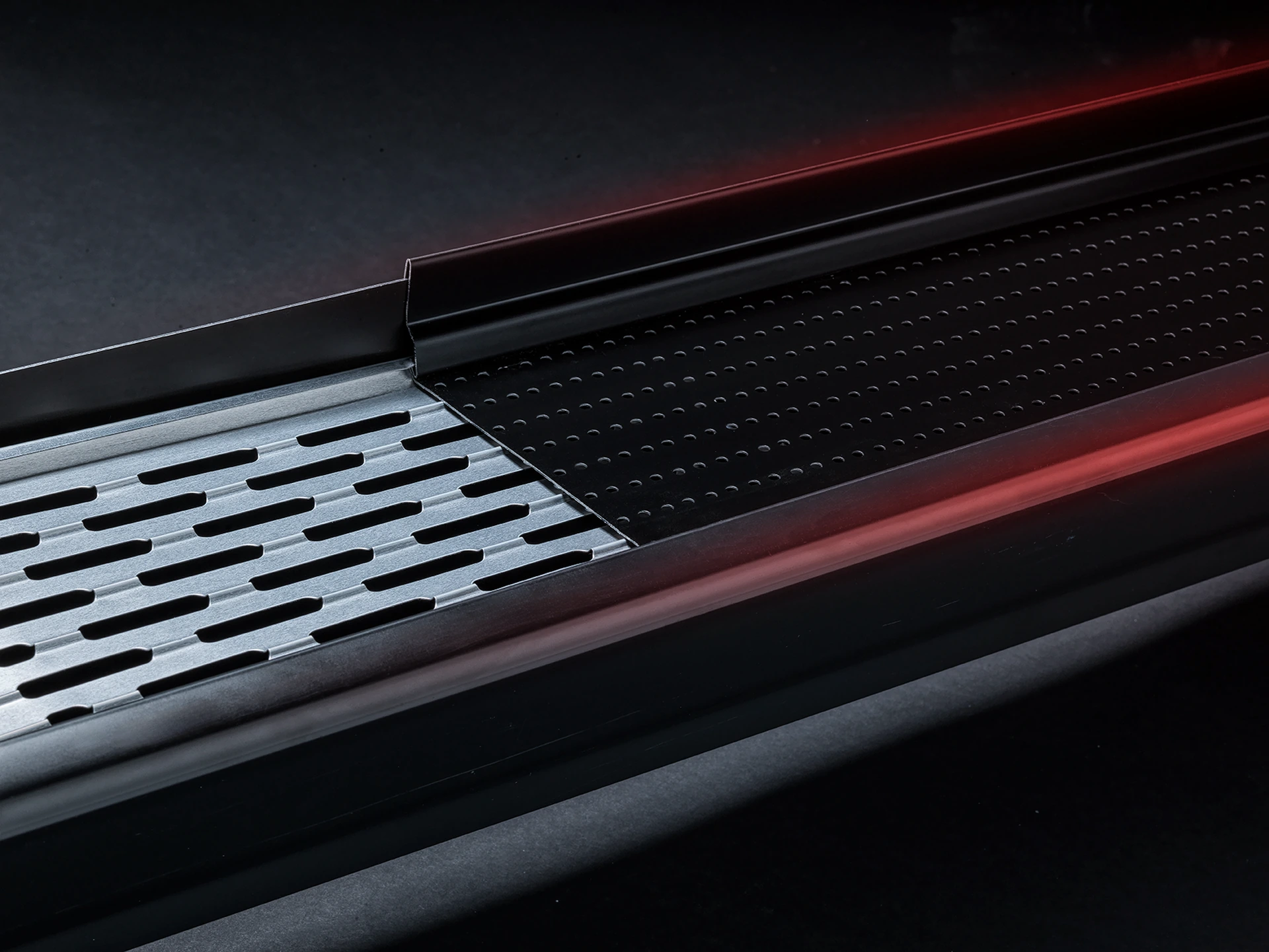
Why mesh choice matters

A fine stainless-steel micro mesh creates smaller passages than a broad perforated screen. Clean Gutter Protection uses interchangeable mesh inserts so the installer can evaluate both the debris around the home and the runoff demands of the roof.

The goal is not simply to choose the tightest-looking material. It is to choose and fit a system that keeps needles above the gutter while continuing to accept water where it reaches the edge.

Prepare the gutter before protection goes on

The gutter and downspouts should be cleared before installation. Outlets, elbows, seams, hangers, and pitch should be checked so hidden needle mats or existing drainage faults are not sealed beneath a new system.

If gutters have pulled away, leak, or cannot move the roof’s runoff, guards alone are not the right first repair. The estimate should separate preparation work from the guard installation clearly.

Plan for the pine trees around your roof

Tree position matters. Needles falling directly onto a low roof section behave differently from windblown needles reaching a steep, open roof. Valleys, dormers, and inside corners may concentrate both debris and rainwater.

A site evaluation lets the installer inspect these specific collection points and explain how the proposed configuration handles them. After major storms, a simple visual check can catch branches or unusually heavy material sitting above the guards.

Close view of fine mesh gutter protection fitted along a shingle roof edge

Project evidence

Field evidence: a continuous micro-mesh installation

This Clean Gutter Protection installation close-up makes the project details visible: fine mesh spans the roof edge, a rigid perimeter frame supports it, and the system is mechanically secured. Those details matter for pine-needle control, while the gutter channel and outlets still require inspection before the work is complete.

  • Continuous mesh coverage at the roof edge rather than isolated screen patches.
  • A supported, fastened perimeter that keeps the mesh aligned with the gutter run.

Common questions

Questions to ask before choosing a system

Why do pine needles get through ordinary gutter screens?

Many ordinary screens have openings large enough for narrow needles to pass through or become lodged. Micro mesh provides a finer barrier designed for smaller debris.

Should gutters be cleaned before pine-needle guards are installed?

Yes. The gutter channel, outlets, and downspouts should be cleared and inspected so existing clogs or drainage defects are not covered up.

Do pine trees mean every roof needs the same mesh?

No. Tree exposure, roof pitch, valleys, gutter size, and concentrated runoff all affect the appropriate configuration. The system should be selected after the home is evaluated.

Get a recommendation based on your actual roofline

We inspect the gutters, debris exposure, roof geometry, and water path before recommending an installed system.

Schedule My Free Estimate