.webp)
If your gutter vendor only shows up after a tenant calls about water pouring over an entry door, you don't have a maintenance program. You have a reaction plan. A written gutter maintenance contract fixes that by spelling out exactly what gets done, when it gets done, how you'll know it happened, and what it costs, across every building in your portfolio.
With January 1 vendor renewals and Q4 RFPs on the calendar, now is the time to tighten your gutter service agreement. Below are the clauses that matter most for property managers in Northeast and North Central Florida, so you can compare bids on equal terms and hold vendors to a standard your owners will appreciate.
Why a Written Gutter Maintenance Contract Beats Ad Hoc Calls
Ad hoc service feels flexible, but it costs you in ways that never show up on a single invoice. Every call means a new quote, a new approval, and a new scheduling scramble. Visits happen after the damage has started, not before. And when an owner or board asks what was done last year, you're digging through emails instead of pulling a report.
A written scope changes the dynamic:
- Predictable budgeting. You know what the year costs before it starts, which makes owner and board conversations easier.
- Consistent quality. Every crew works to the same checklist, at every property, on every visit.
- Documentation on file. Dated reports and photos support reserve planning, insurance questions and tenant disputes.
- Priority access. Contract clients are already on the vendor's schedule, which matters when a storm is coming.
Think of the contract as the scope of work for your rooflines. If it isn't written down, it isn't guaranteed.
Visit Frequency and Seasonal Timing
Frequency is the first line item to get right, and it should be driven by the site, not by a generic template. A garden-style complex shaded by live oaks and pines needs a very different schedule than a retail strip with no trees nearby.
When setting your annual gutter maintenance plan, consider:
- Tree cover. Pine needles and oak leaves drop on different cycles. Pines shed year-round with a heavy drop in fall, while live oaks drop most of their leaves in late winter and spring. Heavily wooded sites may need visits several times a year.
- Hurricane season. Atlantic hurricane season runs June 1 through November 30. Schedule a visit after the spring oak drop and before the season starts, so gutters and downspouts are clear for the afternoon downpours and tropical systems of summer.
- Fall pine drop. A late fall cleanout clears the heavy pine needle drop and any storm debris left from the season.
- Coastal exposure. Buildings near the beaches in Jacksonville Beach, Ponte Vedra or Fernandina face salt air, which makes regular condition checks on fasteners, hangers and seams more important.
- Roof complexity. Valleys, multiple roof levels and long runs collect debris faster and deserve extra attention.
Write the visit windows into the contract (for example, "first two weeks of May") rather than a vague "twice a year." Defined windows let you notify residents in advance and confirm the vendor actually showed up on time. For a deeper look at what each cleaning visit involves, see our guide to commercial gutter cleaning for property managers.
Defining Scope: Cleaning, Flushing and Minor Repairs
The biggest source of vendor disputes is a scope that says "gutter cleaning" and nothing else. A strong commercial gutter cleaning contract breaks the work into specific tasks.
Cleaning
Specify that crews remove debris from all gutters, bag it, and haul it off site. Debris left on lawns, walkways or parked cars is a resident complaint waiting to happen. Our gutter cleaning service treats cleanup as part of the job, not an extra.
Downspout flushing
Clean gutters don't help if the downspouts are clogged. Require that every downspout be flushed and confirmed flowing, and that any blockage that can't be cleared on the spot be reported with its location.
Minor repairs
Decide in advance what a crew can fix without calling you. Common inclusions are resealing small leaks at seams and end caps, re-securing loose hangers, and reattaching disconnected downspout sections. Set a spending threshold or task list for pre-approved repairs, and require written approval for anything beyond it. This keeps small problems from turning into fascia rot while protecting you from surprise invoices.
What's excluded
Spell out what the vendor does not do. Gutter replacement, new installation and gutter guards are typically quoted separately. Be clear about adjacent work too: roof repairs and underground drainage belong with other contractors, so make sure your scope doesn't leave those gaps unassigned. On sandy Northeast Florida soil, note where each downspout discharges so erosion at the outlet gets flagged on every visit.
Reporting, Photos and Work Orders
If you manage multiple properties, you can't walk every roofline after every visit. Reporting is how you verify the work. Your gutter service agreement should require:
- Before and after photos for each building or section, tied to the property address.
- A written visit summary noting what was cleaned, flushed and repaired.
- Condition notes flagging sagging runs, rust, separated seams, or signs of fascia and roof edge damage.
- Repair recommendations with quotes for anything outside the pre-approved scope.
- Work order references that match your property management software, so invoices reconcile cleanly.
Set a delivery deadline for reports, such as within a few business days of the visit. Over time, these records become a condition history that helps you plan capital repairs instead of reacting to failures.
Insurance, Safety and Site Rules
Gutter work happens at height, on occupied properties, often near residents, children and parked cars. Your contract should protect the owner and your management company.
- Certificates of insurance. Require current certificates before work starts, with your management company and the ownership entity named as additional insureds where appropriate. Ask for renewals to be sent automatically.
- Safety practices. Require that crews follow fall protection and ladder safety practices, and that equipment is in good condition.
- Site rules. Define work hours, parking areas, check-in procedures with on-site staff, and how residents will be notified.
- Property protection. Address how landscaping, vehicles and building finishes will be protected, and how any damage will be reported and resolved.
Emergency Response Expectations
Florida storms don't wait for the next scheduled visit. Your contract should define what happens when a gutter section tears loose in a squall line or water is overflowing onto a breezeway.
- How to report. A single number that is answered around the clock. Clean Gutter Protection runs a 24/7 call center for exactly this reason.
- Response targets. Agree on target response times for urgent versus routine issues, and how they apply during widespread storm events.
- Pre-storm and post-storm visits. Spell out whether these are included, priced separately, or triggered by named storms.
- Temporary measures. Authorize the vendor to make safe or temporarily secure damaged sections without waiting for full approval.
Clear emergency terms help you respond quickly and give residents confidence that someone is handling it. Our overview of gutter services for property management companies explains how we support portfolios before and after storms.
Pricing Structures to Compare
When bids come back, they rarely use the same format. Normalize them before you compare. The most common structures are:
- Per-visit pricing. A set price for each scheduled visit at each property. Simple to understand, and easy to adjust if frequency changes.
- Annual flat fee. One price covers all scheduled visits for the year, often billed monthly or quarterly. Best for predictable budgeting.
- Portfolio pricing. A combined agreement across multiple properties on one invoice, which simplifies billing and scheduling for larger management companies.
- Time and materials for extras. Repairs and emergency calls billed at agreed rates. Make sure those rates are written into the contract, not left open.
Cost drivers to ask about include total linear footage, building height and number of stories, roof pitch and access, tree cover, debris volume and travel between sites. Ask each vendor to price against the same scope so you're comparing like for like. Our pricing page explains why we quote every site in writing after an in-person visit instead of publishing a rate card.
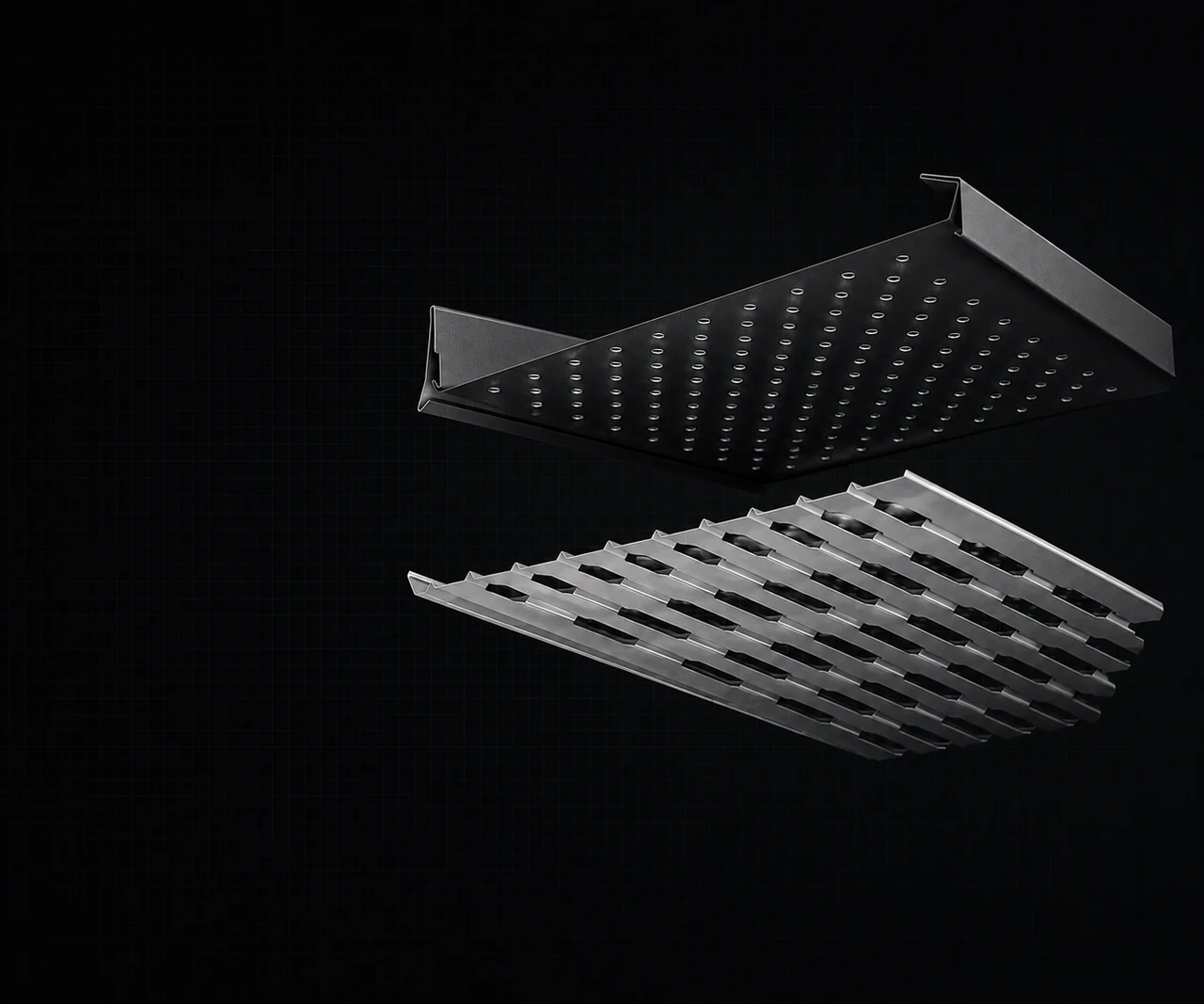
It's also worth asking whether gutter guards on your highest-debris buildings could reduce visit frequency over time. Our gutter guards install without lifting shingles, which keeps disruption low on occupied buildings. For apartment and townhome communities, our multi-family gutter services page covers how we approach larger sites, and managers working with associations can see our HOA and condo gutter services.
Frequently Asked Questions
What should a gutter maintenance contract include?
At minimum: visit frequency and timing windows, a detailed scope covering cleaning, downspout flushing and pre-approved minor repairs, reporting and photo requirements, insurance and site rules, emergency response terms, and a clear pricing structure for scheduled work and extras.
How often should commercial gutters be cleaned in Florida?
It depends on tree cover, roof design and debris load. Many properties need at least two visits a year, typically one in late spring after the live oak drop and before hurricane season, and one in late fall after the heavy pine needle drop, while heavily wooded sites may need more. A site walk is the best way to set the right schedule.
Should minor gutter repairs be part of the contract?
Yes. Pre-approving small repairs, like resealing seams or re-securing hangers, lets crews fix issues during the visit instead of scheduling a second trip. Set a clear limit and require approval above it.
When is the best time to bid out gutter service contracts?
Fall is ideal. Bidding in Q4 lets you lock in an agreement before January 1 renewals and get your first visits scheduled well ahead of the next hurricane season.
Request a Commercial Quote
A well-written gutter maintenance contract protects your buildings, simplifies your budget and gives owners the documentation they expect. Clean Gutter Protection works with property management companies, HOAs, multi-family communities and commercial buildings across Northeast and North Central Florida, and our team brings 20+ years of combined experience to every site.
Ready to build your scope for the new year? Request a Commercial Quote for your portfolio, or Get My Free Estimate for a single property. Our 24/7 call center is always available at (888) 507-4854.