Gutter guard installed on a Florida home surrounded by mature trees

Florida tree-debris guide

Gutter Protection for Live Oak Leaves, Catkins, and Mixed Debris

Live oaks do not create one neat fall cleanup. Leaves, flower catkins, pollen, twigs, and windblown material can reach Florida roofs at different times of year. A useful guard system must manage that mixed debris while the gutter, outlets, and downspouts continue moving stormwater away from the home.

Quick answer

What homeowners should know first

  • Oak leaves are only part of the load; catkins, pollen, twigs, and roof grit can combine into finer material.
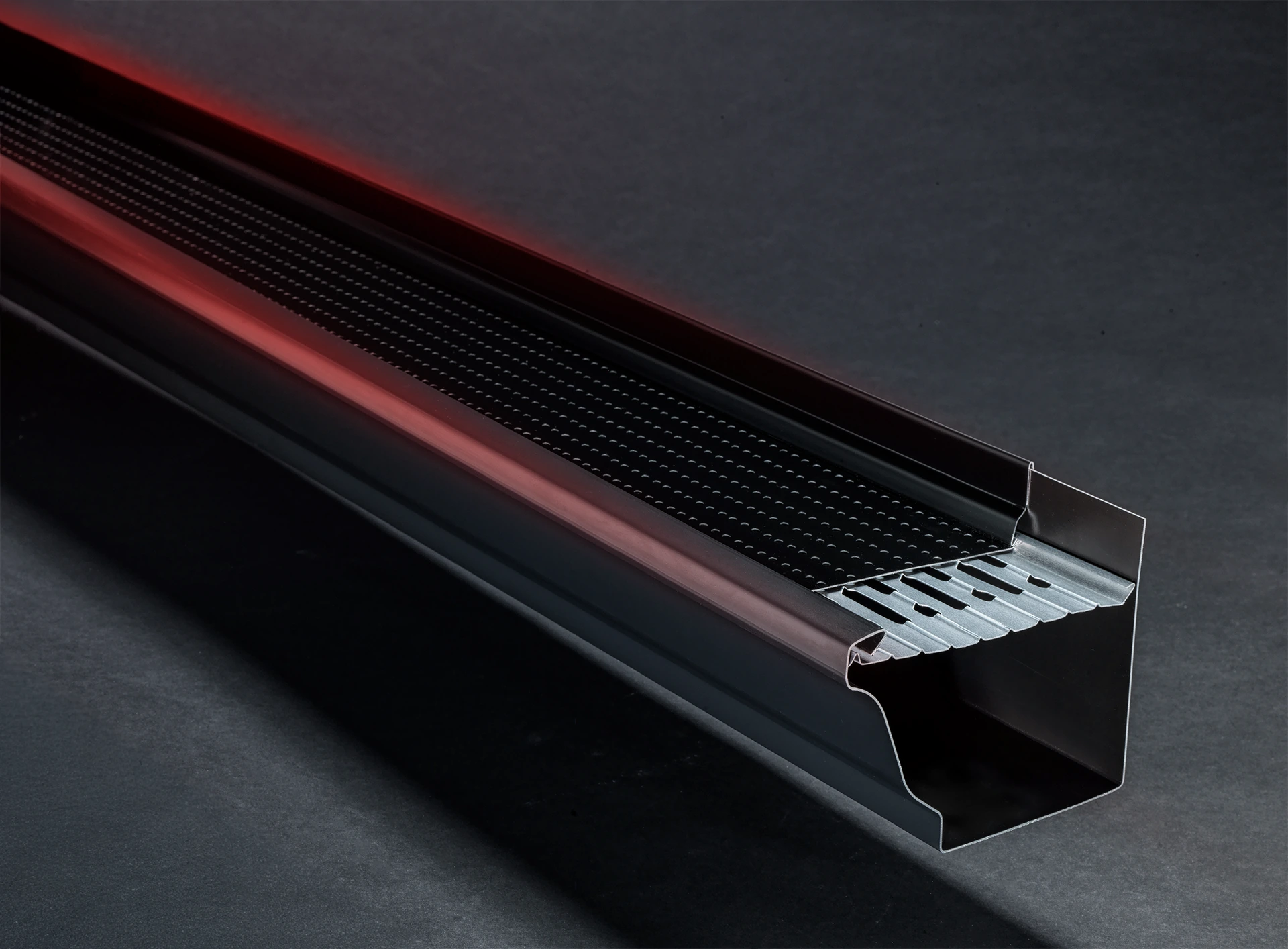
  • Micro mesh keeps mixed debris above the gutter channel where it is less likely to compact around an outlet.
  • The roof areas under the heaviest canopy should be evaluated separately from open roof sections.
  • Large branches or storm debris resting on top still call for a visual inspection and safe removal.

Live oaks create a mixed-debris problem

Broad leaves are easy to see, but live oak catkins and pollen can combine with grit and moisture into a finer layer. Twigs and small seed material add structure to that layer, making it easier for debris to bridge across a gutter or collect at an outlet.

A broad screen may stop the largest leaves while allowing smaller material into the channel. Micro mesh moves the separation point to the top of the system.

Canopy position changes the recommendation

A roof directly beneath mature branches receives a different debris load than the same roof profile in an open yard. Shade can keep organic material damp longer, while wind can move catkins and leaves into valleys or inside corners.

During an estimate, those concentrated areas should be identified so the installer can evaluate mesh selection, profile, gutter capacity, and any repair needs by roof section.

Keep the drainage path intact

The guard is one part of the drainage system. Gutters need appropriate pitch, outlets need to stay clear, downspouts need a working discharge path, and the roof edge and fascia need to support the installation.

Clean Gutter Protection uses an all-aluminum chassis, stainless-steel mesh, and pre-angled profiles. The configuration is custom-fit to the home rather than selected from tree type alone.

Set realistic maintenance expectations

A guard system is intended to reduce internal gutter clogs and repeated cleanouts. It does not prevent a storm from dropping a limb or a heavy layer of material onto the roof edge. Homeowners should visually check the system after major weather and arrange safe removal of large debris when needed.

That realistic approach protects both water flow and the roofline without pretending the surrounding trees no longer exist.

Gutter professional applying sealant to an existing gutter section before protection is installed

Project evidence

Field evidence: preparation is part of the installation

This Clean Gutter Protection field photo shows a technician applying sealant at an existing gutter section. That visible preparation supports the live-oak recommendation: a debris guard should not cover loose, leaking, or poorly connected gutters. The channel, joints, hangers, and water path must be addressed as part of the project.

  • Existing gutter joints and seams are inspected rather than hidden beneath new protection.
  • Preparation work is identified separately from the mesh and chassis installation.

Common questions

Questions to ask before choosing a system

Can micro mesh block live oak catkins?

Micro mesh is designed to block much finer material than conventional screens, including the catkins and mixed debris commonly produced around live oaks. Exact performance still depends on mesh choice and installation.

Will oak leaves simply sit on top of the guard?

Leaves may land on the roof edge or guard before wind and rain move them. The system keeps that material out of the gutter channel, but unusually heavy or storm-dropped debris may need safe removal.

Does every side of a tree-covered home need the same setup?

Not necessarily. Canopy density, valleys, roof pitch, and water concentration can vary by elevation. A site inspection should account for those differences.

Get a recommendation based on your actual roofline

We inspect the gutters, debris exposure, roof geometry, and water path before recommending an installed system.

Schedule My Free Estimate