.webp)
Church gutter maintenance rarely makes the agenda until something goes wrong: water sheeting off the roof onto families at the front doors, a stained ceiling in the fellowship hall, or rotted fascia above the nursery wing. By then, a routine task has become a repair project, and usually right before the busiest Sunday of the year.
This guide is for trustees, facilities teams and finance committees in Northeast and North Central Florida. It covers why church buildings are uniquely hard on gutters, how to build a yearly schedule around the church calendar, when volunteers make sense (and when they don't), and how to bring a clear, approvable plan to your board.
Fall is the right time to act. Advent and Christmas bring your largest crowds, and most churches set next year's budget in the same season. A little planning now protects both.
Why Church Buildings Are Hard on Gutters
A church is not a house with a steeple. Its architecture, grounds and usage all put extra strain on a gutter system.
Steep Roofs, Tall Walls and Large Trees
Many sanctuaries have steep, high-pitched roofs. A steep roof moves rainwater fast, and in a Florida downpour that water can overshoot an undersized or poorly pitched gutter entirely. Large roof planes also funnel a lot of water into a small number of downspouts, so a single clog backs up quickly.
Height is the second problem. Sanctuary eaves are often two or three stories up, well beyond what a step ladder or a volunteer's extension ladder can safely reach. That means gutters on the tallest walls tend to get skipped, and those are exactly the runs that handle the most water.
Then there are the trees. Churches often sit on older, generous lots with mature live oaks, pines and magnolias that shade the parking lot and frame the building. They drop leaves, pine straw, acorns and Spanish moss into the gutters nearly year-round, and pine straw mats into a dense layer that blocks downspouts.
Most campuses are also a collection of buildings added over decades: sanctuary, education wing, fellowship hall, maybe a preschool. Each has its own rooflines and gutter age, and the transitions between them (valleys, covered walkways) are common trouble spots.
Entryways, Walkways and Safety During Services
Few buildings move as many people through the same doors at the same time as a church on Sunday morning. When a gutter overflows above a main entrance, a covered drop-off or a breezeway, the result is more than an inconvenience:
- Slippery surfaces. Water pouring onto steps and walkways creates slip hazards for older members, parents carrying children and guests in dress shoes.
- Algae and stains. Repeated overflow keeps concrete wet, which encourages slick growth on walkways and ramps.
- Water at the doors. Overflow near thresholds can push water into vestibules, carpeted narthexes and classroom wings.
- Wood and trim damage. Constant spillover soaks fascia boards, soffits and decorative trim, leading to costly fascia rot.
When you walk the property, start with every place people gather or enter. Those gutters go at the top of your facilities checklist.
A Practical Yearly Church Gutter Maintenance Schedule
The easiest schedule to keep is one that follows the rhythm your church already lives by. Here is a calendar that works well for most congregations in our area.
- Early fall (before Advent): Full cleaning and inspection of every building. Clear gutters and downspouts and note any sagging, leaking seams or loose hangers. This is also the best time to get repair and guard quotes in front of the finance committee while next year's budget is being written.
- Late winter (after Christmas and Epiphany): A quick check during oak leaf drop. Live oaks shed heavily in late winter and early spring, so a second visit often makes sense here.
- Before Easter: Make sure entries, covered walkways and outdoor gathering spaces drain properly ahead of your other big attendance Sunday.
- Late spring (before hurricane season): Hurricane season runs June 1 to November 30. Clear everything, confirm downspouts are secure, and fix loose sections before summer storms and VBS week bring crowds and heavy rain together. Our hurricane season gutter prep guide covers the full pre-storm checklist.
- After major storms: Walk the campus after any tropical system or severe thunderstorm and look for bent, detached or overflowing sections.
Heavy tree cover may call for more visits; gutter guards usually mean fewer.
Volunteer Cleanups vs. Professional Service
Workdays are part of church culture, and volunteers can do plenty: raking, clearing ground-level downspout outlets and flagging problems. Gutter work on a church roof is a different matter. Before putting volunteers on ladders, weigh these questions honestly:
- Height and pitch. Can the gutters be reached safely from a ladder on level ground, or are they on a two-story sanctuary above landscaping, steps or a slope?
- Liability. A fall from a ladder on church property is a serious event for the volunteer and the congregation. Talk with your insurance carrier about what your policy expects before anyone climbs.
- Consistency. Volunteer availability changes. Gutters on the tallest or least visible walls are often the ones that quietly get skipped year after year.
- Diagnosis. Clearing debris is only part of the job. A trained eye spots failing seams, poor pitch, rotted fascia and undersized downspouts before they turn into interior water damage.
A sensible split for many churches: volunteers handle ground-level tasks and monitoring, while a professional crew handles roof-level gutter cleaning, inspection and gutter repair. That keeps people safe and keeps the work documented for your records.
Budgeting for Repairs, Replacement or Gutter Guards
Every campus is different, so instead of guessing at numbers, here is what drives the cost:
- Height and access. Taller walls and hard-to-reach rooflines take more time and equipment.
- Linear footage and number of buildings. A multi-building campus is priced on the whole system, not just the sanctuary.
- Tree cover. Heavy debris means more labor per visit and more frequent visits.
- Condition. Minor fixes like resealing seams or re-securing hangers cost far less than replacing failed sections or the rotted fascia behind them.
- Gutter size and design. Older or undersized gutters on steep roofs may need upgrading to seamless gutters or larger downspouts to keep up with Florida rain.
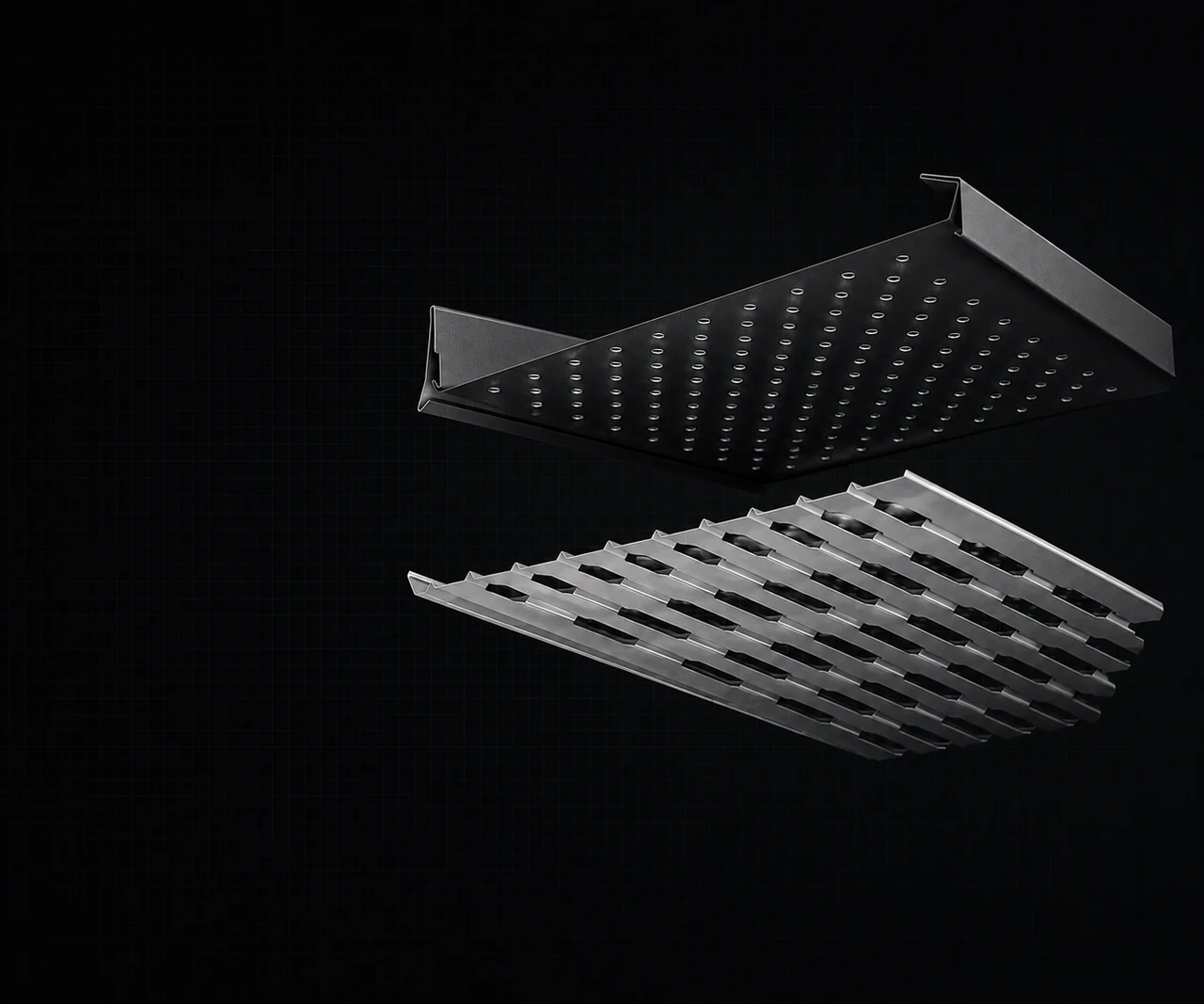
When reviewing options, think in three tiers. Maintenance is recurring cleaning and minor repair. Repair or replacement addresses sections that are leaking, sagging or no longer sized for the roof. Protection means installing gutter guards, which keep leaves and pine straw out so the system keeps flowing between visits. Our gutter guards install without lifting shingles, which matters on older church roofs where you don't want to disturb the roofing.
For many churches, guards turn an open-ended recurring expense into a one-time capital project, a framing that lands well with finance committees. If you want a professional assessment of your campus before your next meeting, Get My Free Estimate and bring real figures to the table.
Getting Trustee or Finance Committee Approval
Trustee and finance committee approvals go smoother when the request is specific and documented. A strong proposal usually includes:
- Photos of the problem. Overflow above the main entrance, stained soffits, sagging runs.
- The safety angle. Show where water lands relative to entrances, ramps and walkways used by members and guests.
- A written estimate with clear scope. List each building and what will be cleaned, repaired, replaced or protected, and why.
- Options, not just one number. Present maintenance-only, repair and guard options so the committee can choose based on budget and long-term goals.
- Timing. Tie the work to the calendar: before Advent, before Easter or before hurricane season. Deadlines help committees decide.
- The cost of waiting. Ignored overflow leads to fascia, soffit, interior and landscaping repairs that can easily cost more than the gutter work itself.
If your church also runs a school, preschool or several facilities, bundling everything into one proposal often simplifies approval and scheduling. You can see how we work with congregations on our church gutter services page.
Frequently Asked Questions
How often should a church clean its gutters?
Plan on at least twice a year, typically early fall and late spring before hurricane season. Campuses surrounded by oaks or pines often need more.
Can church volunteers clean the gutters?
Volunteers can help with ground-level tasks and spotting problems. For roof-level work on tall or steep church buildings, a professional crew is the safer choice.
When is the best time to schedule church gutter work?
Early fall is ideal. It prepares the building for Advent and Christmas crowds and lines up with budget season, so repair or guard projects can be approved for the coming year.
Do you provide church gutter cleaning in Jacksonville?
Yes. We serve churches throughout Jacksonville, St. Augustine, Ponte Vedra, Orange Park, Fleming Island, Fernandina Beach, Palm Coast, Gainesville, Ocala and surrounding communities.
Are gutter guards worth it for a church?
For campuses with mature trees, tall rooflines or limited volunteer help, they are often a smart investment because they keep debris out and reduce recurring cleaning.
Protect Your Congregation and Your Building
A clear gutter plan keeps entryways safe, protects the structure and gives trustees a predictable budget line instead of surprise repairs. Clean Gutter Protection brings 20+ years of combined experience to church gutter cleaning, repair, seamless gutter installation and gutter guards across Northeast and North Central Florida.
Ready to get ahead of Advent and next year's budget? Request a Commercial Quote for your campus, or Get My Free Estimate online. Prefer to talk it through? Our 24/7 call center is always available at (888) 507-4854.