.webp)
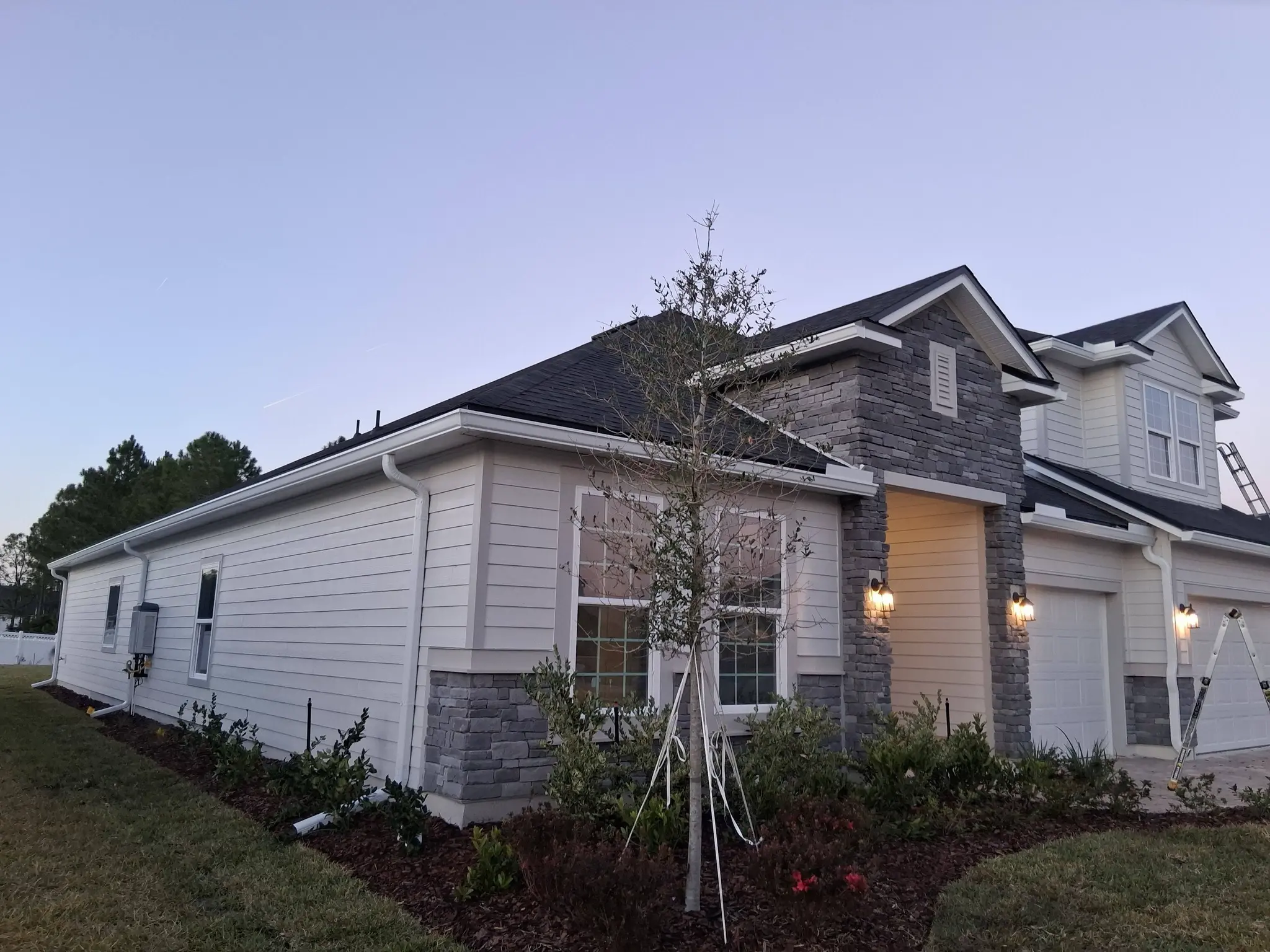
If you are shopping for seamless gutters in Fleming Island, Orange Park or anywhere else in Clay County, late fall is one of the best times to do it. The summer storm pattern has broken, hurricane season wraps up on November 30, and the cooler, drier weeks before winter rains give you a clean window to get new gutters up and working before the next round of heavy weather.
Here is what Clay County homeowners should know: why seamless beats sectional, how to size for Florida downpours, how to handle your HOA, what install day looks like, and why to add gutter guards at the same time.
Why Clay County Homeowners Replace Gutters
Gutter replacements around Fleming Island, Orange Park, Oakleaf and Middleburg usually come down to a handful of reasons:
- Leaking seams and joints. Older sectional gutters are joined at intervals along each run. Each joint is a weak point, and Florida heat and humidity break down sealant over time until the seams drip.
- Sagging and pulling away. Gutters loaded with wet oak leaves and pine needles get heavy. Hangers loosen, the gutter tilts, and water starts pouring behind it onto the fascia.
- Undersized systems. Plenty of homes were built with gutters that handle a normal shower but overflow in a real Florida cloudburst.
- Fascia and soffit damage. Once water gets behind the gutter, wood trim rots, paint peels and pests find a way in. Replacing the gutters is often part of fixing the trim.
- Missing gutters. Some homes in the area were built with gutters only over entries, or none at all. Adding a full system protects landscaping, walkways and the foundation from splash-back and erosion.
If your gutters show more than one of these problems, a properly sized seamless system solves it at the source.
Seamless Gutters vs. Sectional Gutters for Clay County Homes
Sectional gutters come in pre-cut lengths and get joined together on site. Seamless gutters are formed from a coil of metal right at your home, on a portable gutter machine, and cut to the exact length of each run of your roof. The only joints are at the corners and the downspout outlets.
For homes in Fleming Island and Orange Park, that difference matters for a few reasons:
- Fewer leaks. No mid-run seams means fewer places for water to escape and fewer joints to reseal over the years.
- A cleaner look. Seamless runs look sharp from the street, which matters in neighborhoods with architectural standards.
- A custom fit. Every run is measured and formed for your house, so the gutter lines up with your roof edge instead of being forced to fit standard lengths.
For a primary home in Clay County, seamless aluminum is the standard we recommend. If you want a deeper explanation of how seamless gutters are made and why they hold up, read our guide on what seamless gutters are.
Sizing Gutters for Heavy Florida Rain
Northeast Florida rain rarely shows up as a gentle drizzle. It comes as short, intense bursts during summer afternoons and tropical systems, plus long soaking events in the cooler months. Your gutters have to move a lot of water quickly, and size is the biggest factor in whether they keep up.
The two most common residential sizes are 5-inch and 6-inch K-style gutters. Here is how we think about choosing between them:
- Roof area feeding each run. The more roof surface that drains into one gutter, the more water it has to carry. Long, uninterrupted roof planes often need a larger gutter.
- Roof pitch. Steeper roofs shed water faster, so it hits the gutter with more force and volume.
- Valleys. Where two roof slopes meet, water concentrates and can shoot right over a small gutter. Valleys often call for a bigger gutter or a splash guard.
- Downspout size and placement. A big gutter with too few downspouts still overflows. Larger, well-placed downspouts keep water moving away from the foundation, which matters in Clay County's sandy soil, where concentrated runoff washes out beds and erodes soil along the slab.
Many Clay County homes do fine with 5-inch gutters, but we regularly recommend 6-inch gutters and larger downspouts on two-story homes, steep roofs and houses with complex rooflines. During your estimate, we look at your actual roof instead of guessing from square footage alone. For the method behind the recommendation, see our guide on what size gutters you need.
Matching Gutters to HOA and Neighborhood Standards
A lot of Fleming Island, Orange Park and Oakleaf homes sit in communities with an HOA or architectural review committee. Gutters are an exterior change, so it is smart to check your community's rules before work starts. Things HOAs commonly care about include:
- Color. Gutters and downspouts are usually expected to match or complement the trim, fascia or body color of the home.
- Downspout placement. Where downspouts discharge can matter for drainage between lots and for the look of the front elevation.
Our advice: pull your HOA's exterior guidelines or ask the management company before you schedule. We can help you choose a color and layout that fits those standards, and give you the details you need for an architectural request if your community requires one. Handling that step early keeps your install date from slipping.
What Installation Day Looks Like
A seamless gutter install is a short, well-organized project for most homes. Here is what to expect from our gutter installation crew:
- Arrival and walkthrough. The crew confirms the plan with you: gutter size, color, downspout locations and any trim concerns.
- Removing old gutters. If you have existing gutters, we take them down and haul them away.
- Checking the fascia. With the old gutters off, the fascia board is fully visible. If we find soft or rotted wood, we point it out before we hang anything new.
- Forming gutters on site. Each run is formed from coil on our machine and cut to the exact length of your roof edge.
- Hanging and pitching. Gutters are fastened securely with hangers into solid fascia and set with the proper slope toward each downspout so water does not sit and pool.
- Downspouts and outlets. We install downspouts, elbows and extensions to carry water away from the house.
- Cleanup and final check. The crew cleans up the work area and walks the finished system with you.
It helps to be available at the start and the end, and to move cars, patio furniture and planters away from the house.
Adding Gutter Guards at Install Time
Clay County is full of mature trees: live oaks, laurel oaks, water oaks and pines. Live oaks shed heavily from late winter into spring, dropping leaves, catkins and pollen all at once, while pines drop needles year-round with a heavy push in fall. New gutters under those trees start collecting debris almost as soon as they go up.
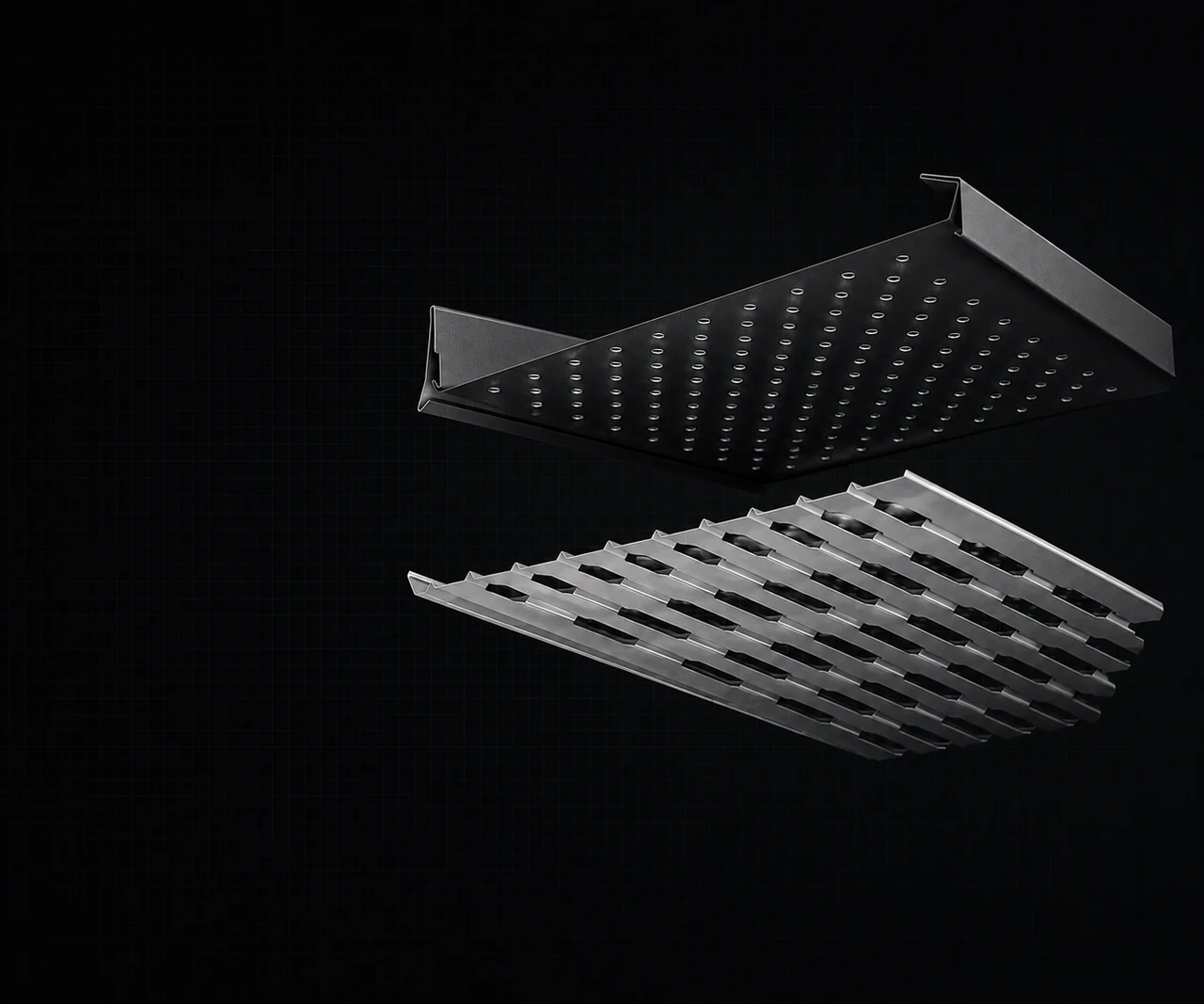
That is why installation day is the best time to add gutter guards. The crew is already on site, the gutters are brand new and clean, and the guards are fitted to your new system from the start. Our gutter guards install without lifting shingles, so your roof stays undisturbed.
Pairing new seamless gutters with our gutter guards means fewer ladder climbs, gutters that keep flowing in heavy rain, and one project with one crew instead of two.
Gutter guards are our flagship product, and they are the upgrade we recommend most to homeowners with trees anywhere near the roof line.
Areas We Serve in Clay County
Clean Gutter Protection installs seamless gutters and gutter guards across Clay County and the surrounding area, including:
- Fleming Island
- Orange Park and its established neighborhoods
- Oakleaf Plantation
- Middleburg, including older homes that never had gutters
- Green Cove Springs, Asbury Lake and Penney Farms
From a first-time system on a Middleburg ranch to a 6-inch upgrade on a two-story Fleming Island home, our team brings 20+ years of combined experience to the job.
Frequently Asked Questions
How long does a seamless gutter installation take?
Most single-family homes are completed in a single day. Larger or more complex homes, or homes where rotted fascia has to be repaired first, can take longer.
What size gutters do I need for my Orange Park or Fleming Island home?
It depends on roof area, pitch, valleys and downspout layout. Many homes use 5-inch gutters, while two-story homes and steep or complex roofs often perform better with 6-inch gutters and larger downspouts. We measure your roof and recommend the right size during a free estimate.
Do I need HOA approval for new gutters?
Many Clay County communities require architectural approval for exterior changes, including gutter color and style. Check with your HOA or management company before scheduling.
Is fall a good time to install gutters in Clay County?
Yes. Late fall usually brings cooler, drier weather, which makes for smooth installation days. Getting new gutters up now means your home is protected before winter rains and well ahead of next hurricane season.
What if my fascia boards are rotted?
Rotted fascia needs to be repaired before new gutters go up, because hangers need solid wood to hold. We point out any soft or damaged boards during your free estimate so the repair can be handled first, then we hang your new seamless gutters with proper pitch into solid wood.
Schedule Your Free Estimate
New seamless gutters protect your fascia, landscaping and foundation, and late fall is the window to get them up before winter rains. Add gutter guards at the same time and you cut down on the clogs and ladder climbs that oaks and pines bring.
Ready to see what your home needs? Get My Free Estimate or call our 24/7 call center at (888) 507-4854 to schedule a visit for your home in Fleming Island, Orange Park, Oakleaf, Middleburg or anywhere in Clay County.