.webp)
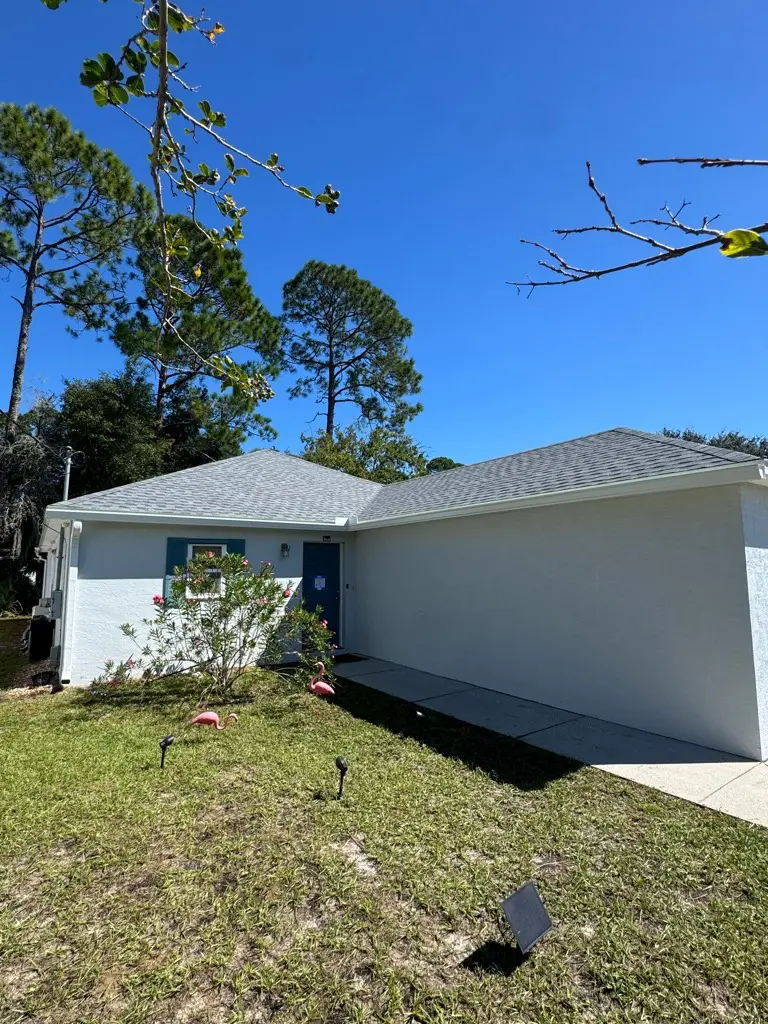
A gutter inspection before buying a house is one of the cheapest pieces of due diligence you can do, and one of the most overlooked. Buyers in Jacksonville tour the kitchen, open every closet and ask about the roof's age, then walk right past the system that decides where every drop of rain on that roof ends up.
In Northeast Florida that matters more than almost anywhere else. Summer afternoon storms, tropical systems and heavy oak and pine debris put gutters to work all year. When they fail, the damage shows up in the fascia, the soffits, the landscaping and eventually the foundation. The good news: most gutter problems are visible if you know where to look, and anything you find before closing is leverage.
Here is the buyer's checklist we would hand a friend who is buying a house in Jacksonville.
Why Gutters Matter in a Home Purchase
A standard home inspection usually notes gutters in a line or two. The inspector looks from the ground or the ladder, flags obvious issues and moves on.
But gutters protect the parts of a home that are expensive to fix. Water that spills over a clogged or sagging gutter soaks the fascia board, wicks into soffits, splashes against siding and pools beside the slab. In our sandy soils, repeated pooling can wash out soil along the foundation and lead to settling. Our page on how gutters help prevent foundation damage explains the chain reaction in more detail.
Gutter Inspection Before Buying a House: 6 Signs You Can See From the Yard
You do not need a ladder for most of this. Walk the full perimeter during your showing or inspection, ideally twice: once looking up at the roofline and once looking down at the ground.
1. Sagging or wavy gutter runs
A straight gutter line should look straight. Dips, bows or sections that droop between hangers mean failed fasteners, rotted fascia behind the gutter or years of heavy debris loads.
2. Gutters pulling away from the house
Look for a visible gap between the back of the gutter and the fascia board. This is often a sign that the wood behind the gutter is soft and can no longer hold the hangers. That is a fascia problem first and a gutter problem second.
3. Plants growing out of the gutters
Seedlings, moss or grass sprouting from a gutter means it has been packed with wet debris for a long time. In Jacksonville neighborhoods shaded by live oaks and pines, this is common, and it tells you a lot about how the previous owner handled maintenance.
4. Rust, peeling paint and separated seams
Rust streaks, flaking paint on the gutter face and drip marks at the corners point to leaking seams or aging material. Sectional gutters with many seams are more prone to this than seamless gutters, so note what type the home has. On homes near the beaches, salt air speeds up corrosion on steel gutters and fasteners, so look closely at hangers and screws too.
5. Missing, crushed or short downspouts
Every downspout should carry water well away from the house. Look for downspouts that end right at the slab, extensions that are missing or flattened by a lawn mower, and elbows that have come apart.
6. Erosion lines and splash marks
Now look down. Trenches in the mulch, bare soil under the drip line, dirt splashed up on the lower siding and washed-out flower beds all show where water has been overflowing. These marks often reveal problems that dry weather on showing day would otherwise hide.
Clues Inside: Stains, Moisture and Fascia Damage
Gutter problems do not stay outside. While you tour the home, keep an eye out for these indoor and near-the-house warning signs:
- Water stains on ceilings near exterior walls, especially in corners. Overflowing gutters can push water back under the roof edge.
- Discoloration or bubbling on soffits and the underside of the roof overhang. Soft or stained soffits often sit right below a gutter that has been leaking.
- Musty smells or damp baseboards on the ground floor along the outside walls.
- Cracks in garage slabs or stem walls near downspout locations.
- Fresh paint in odd spots on the fascia or a single ceiling patch. It may be routine upkeep, or it may cover a stain. Ask.
Rotted fascia is a common finding when gutters have been neglected, and it needs to be repaired before new gutters can be hung properly. Learn more about why fascia damage happens and how to stop it.
Questions to Ask the Seller
Your agent can send these through the seller's side. Answers, or a lack of them, are useful either way.
- How old are the gutters, and were they installed with the current roof or separately?
- Are they seamless or sectional?
- When were they last cleaned, and how often has that been done?
- Have any sections been repaired, resealed or replaced? By whom?
- Have you had any overflow during heavy storms, or water near the foundation?
- Are there gutter guards installed? If so, is there any transferable paperwork from the installer?
If the seller says the gutters "work fine," ask how they know. A seller who has not been on a ladder in years may honestly not know what is up there.
Using Gutter Problems in Your Home Purchase Negotiation
Gutter issues are concrete, easy to document and easy to price, which makes them strong negotiating points.
- Get a written assessment. A general home inspection report that says "gutters need attention" is vague. A gutter specialist's written estimate that spells out what needs repair or replacement gives your agent something specific to put in a repair request.
- Ask for repairs or a credit. Many buyers prefer a closing credit over seller-arranged repairs, because it lets you choose the contractor and the scope. That is especially smart if you were planning to upgrade the gutters anyway.
- Connect gutters to bigger findings. If the inspector also flagged soft fascia, soffit stains or grading issues, the gutters may be the root cause.
- Do it before your inspection period ends. Once that window closes, your leverage drops fast.
Not sure what a full gutter evaluation covers? Our professional gutter inspection checklist walks through every point a specialist reviews. And if you want a pro to look before your deadline, you can Get My Free Estimate and we will put the findings in writing.
Your First-Year Gutter Plan as a New Homeowner
Closed on the house? Use this new homeowner gutter checklist to start strong:
- Clean the gutters right away. You have no idea what the last owner left up there. Start with a clean slate and look closely at the condition once the debris is out.
- Handle repairs before the next storm season. Hurricane season runs June 1 through November 30. Loose hangers, leaking seams and failing fascia should be fixed well before then. Our gutter repair team handles resealing, re-hanging, downspout fixes and section replacement.
- Watch the house in a real downpour. Grab an umbrella and walk the perimeter. Overflow, spurting corners and pooling spots show up immediately.
- Extend and redirect downspouts so water exits away from the slab, walkways and flower beds.
- Decide on gutter guards. If the lot has heavy tree cover, cleaning can turn into a frequent chore. Gutter guards keep debris out so the system keeps flowing, and ours install without lifting shingles.
- Plan for replacement if the system is near the end of its life. Seamless gutters sized for the roof are a solid long-term upgrade, and it is easier to budget for them in year one than after a storm forces the issue. Our repair vs. replace guide helps you decide which way to go.
We serve buyers and homeowners across Duval County and the surrounding area. Visit our Jacksonville gutter services page to see what we offer in your neighborhood.
Frequently Asked Questions
Does a standard home inspection check the gutters?
Usually, but only at a general level. Most home inspection reports note visible gutter issues like sagging or missing downspouts. They rarely go into the condition of seams, hangers, pitch or the fascia behind the gutter. A gutter specialist can give you a more detailed picture.
Can I ask the seller to fix the gutters before closing?
Yes. Gutter repairs can be included in a repair request during your inspection period, or you can negotiate a credit at closing instead. A written estimate from a gutter company makes the request specific and easier to agree on.
What gutter problems are most serious when buying a house?
Gutters pulling away from the house, rotted fascia, signs of water at the foundation and interior stains near exterior walls deserve the most attention. They suggest water has been getting where it should not for some time.
Should I put gutter guards on a house I just bought?
If the property has trees nearby, gutter guards are worth considering early. They cut down on clogs and overflow and reduce how often you need to deal with cleaning.
Get a Free Estimate Before Closing
Gutters are a small line on the inspection report and a big factor in how a house holds up. Knowing their real condition before you close helps you negotiate with confidence and move in without surprises. Clean Gutter Protection brings 20+ years of combined experience to gutter repair, seamless gutter installation, cleaning and gutter guards across Jacksonville and Northeast Florida.
Under contract and on a deadline? Our 24/7 call center is ready at (888) 507-4854, or Get My Free Estimate online and we will help you understand exactly what you are buying.