.webp)
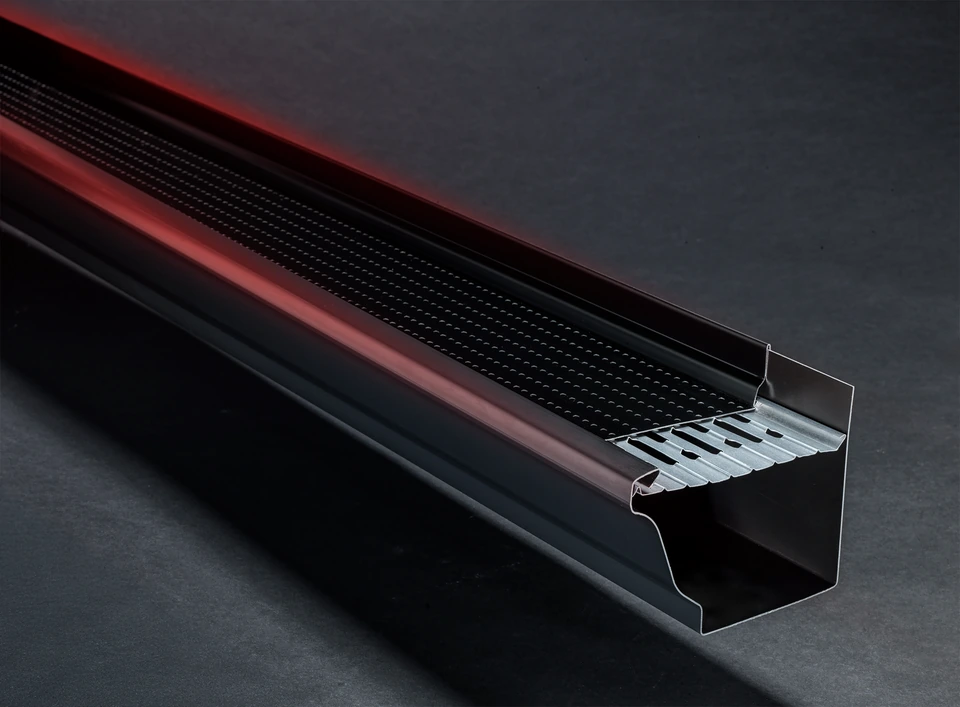
For most homes in Northeast Florida, a fine micro-mesh gutter guard is the best choice. It is the only common guard type that keeps out live oak leaves, pine needles, shingle grit and most spring oak pollen while still letting heavy summer rain into the gutter. Screens, foam and brush inserts are cheaper but let small debris through or trap it. Reverse curve covers can overshoot in a Florida downpour. Below we compare all six types side by side, then go through each one with honest pros and cons.
Gutter Guard Comparison Chart
| Guard type | What it blocks | Maintenance | Expected lifespan | Oak leaves, pine needles and pollen | Florida downpours | Relative cost |
|---|---|---|---|---|---|---|
| Micro-mesh | Leaves, needles, grit, most pollen | Low: occasional rinse or brush-off of the top | Long (metal mesh) | Best of the group; needles cannot poke through fine mesh | Good when the mesh is pitched and supported | Higher |
| Screen | Large leaves | Medium: needles and seeds lodge in holes | Short to medium | Pine needles and oak tassels slip through or wedge in | Good flow until holes clog | Low |
| Foam | Large leaves | High: foam holds grit and can sprout seeds | Short | Pollen and needles collect on and in the foam | Slows down as foam fills | Low |
| Brush | Large leaves | High: must be pulled out to clean | Short to medium | Needles tangle in the bristles | Fair | Low to mid |
| Reverse curve (surface tension) | Most leaves | Medium: the lip and slot collect film and pollen | Medium to long | Needles can slide into the slot | Water can shoot past the edge in heavy rain | Higher |
| Perforated cover | Leaves | Medium: small debris sits on top or passes through holes | Medium to long | Needles can drop through larger holes | Fair to good | Low to mid |
What Northeast Florida Gutters Are Up Against
A gutter guard that works in the Midwest can struggle here. Four things make our area different:
- Live oak leaves. Live oaks drop leaves most of the year, with the heaviest drop in late winter and spring. The leaves are small and stiff, so they slip through wide openings.
- Pine needles. Slash and longleaf pines shed needles that act like little spears. They poke into screen holes and brush bristles and stay there.
- Spring oak pollen. The yellow-green coating in March and April, plus the stringy oak tassels, turns into a sludge that sits in gutters and on top of some guards.
- Summer storms and hurricane season. Afternoon storms dump a lot of water in a short time, and hurricane season runs June through November. A guard has to take in that water, not send it over the edge.
That is why we look at every guard type through the lens of oak, pine and heavy rain. Learn more on our live oak gutter guard page, our pine needle page and our Florida rain page.
Micro-Mesh Gutter Guards
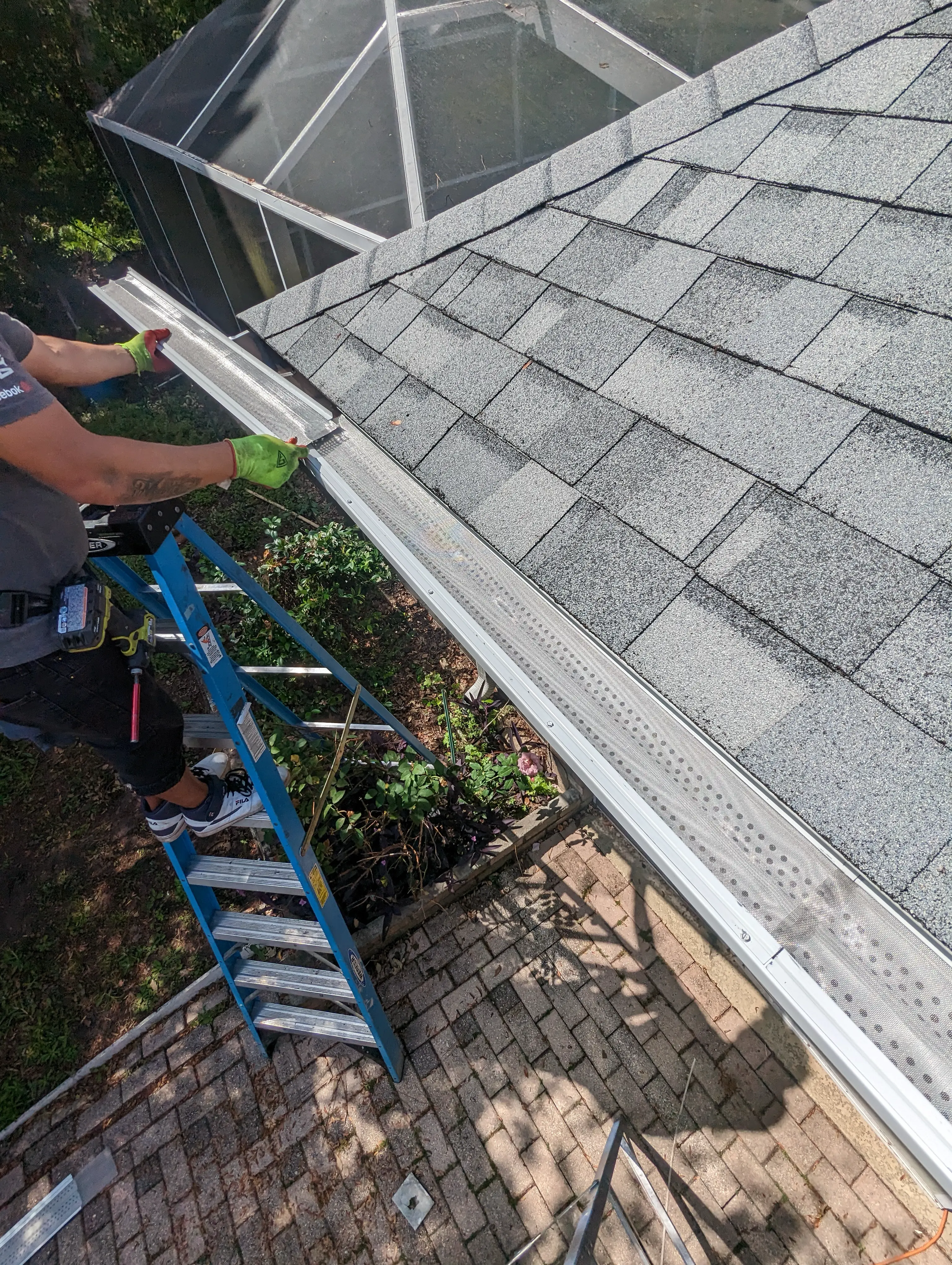
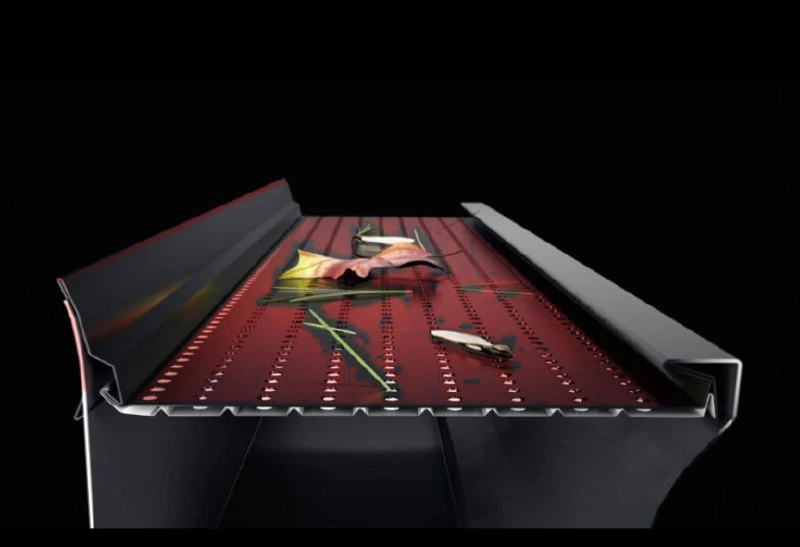
Micro-mesh guards use a very fine stainless or aluminum mesh over a supporting frame. Water passes through the mesh by surface tension while debris stays on top, where wind and rain usually move it off.
Pros
- Blocks the smallest debris, including pine needles, shingle grit and much of the pollen.
- Little to no debris gets into the gutter, so the gutter itself stays clean.
- Metal construction holds up in sun and salt air better than plastic or foam.
Cons
- Higher upfront cost than inserts and screens.
- Quality varies a lot. Thin mesh with no support can sag, and poorly pitched mesh can let water run over in a cloudburst.
- Pollen film can build up on top and may need an occasional rinse.
Screen Gutter Guards
Screens are plastic or metal sheets with holes larger than micro-mesh. They snap or slide under the first row of shingles or sit on the gutter lip.
Pros
- Inexpensive and widely sold at home stores.
- Keep out large leaves.
Cons
- Pine needles and live oak leaves fit through or wedge into the holes.
- Pollen and seeds still reach the gutter, so you still clean it.
- Some styles slide under shingles, which you should check against your roof warranty.
For a deeper look, see our micro-mesh vs screen gutter guards comparison.
Foam Gutter Guards
Foam guards are triangular blocks of porous foam that sit inside the gutter. Water soaks through the foam while leaves sit on top.
Pros
- Cheapest option and easy to install yourself.
- Nothing attaches to the roof.
Cons
- Foam holds grit and pollen and slowly clogs.
- Seeds can sprout in wet foam during our warm, humid months.
- Breaks down in strong sun and usually needs replacing sooner than metal guards.
Brush Gutter Guards
Brush guards look like giant pipe cleaners laid inside the gutter. Leaves catch on the bristles while water flows underneath.
Pros
- Easy to install and remove.
- No fasteners into the roof or fascia.
Cons
- Pine needles tangle in the bristles and are hard to get out.
- Small debris still falls into the gutter.
- To clean them you pull them out, clean them and put them back.
Reverse Curve (Surface Tension) Gutter Guards
Reverse curve covers are solid hoods. Water follows the curved nose and drops into a slot, while leaves are supposed to slide off the front.
Pros
- Shed large leaves well.
- Solid metal or vinyl covers last a long time.
Cons
- In a hard Florida downpour, fast water can shoot past the curve and over the gutter.
- Pine needles and pollen can still slide into the slot, where they are harder to reach.
- Usually installed under shingles and very visible from the street.
Perforated Gutter Covers
Perforated covers are flat or slightly ridged metal or vinyl panels punched with small holes. They are a common mid-priced option.
Pros
- Sturdier than screens and simple to install.
- Block large leaves.
Cons
- Holes are big enough for pine needles, seeds and pollen.
- Debris that sits on the flat surface can block holes until rain or wind moves it.
Why CGP Uses Dual-Layer Micro-Mesh
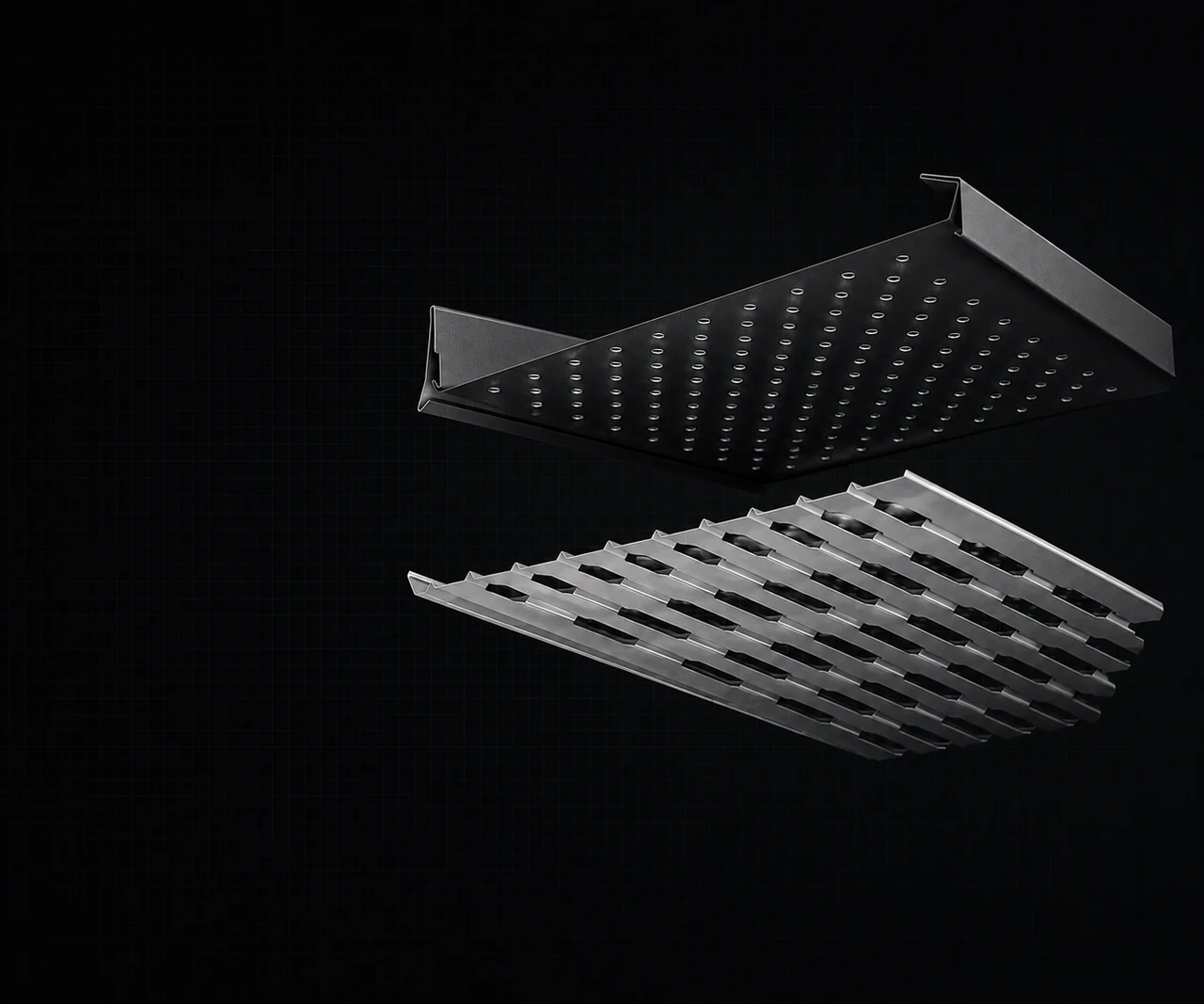
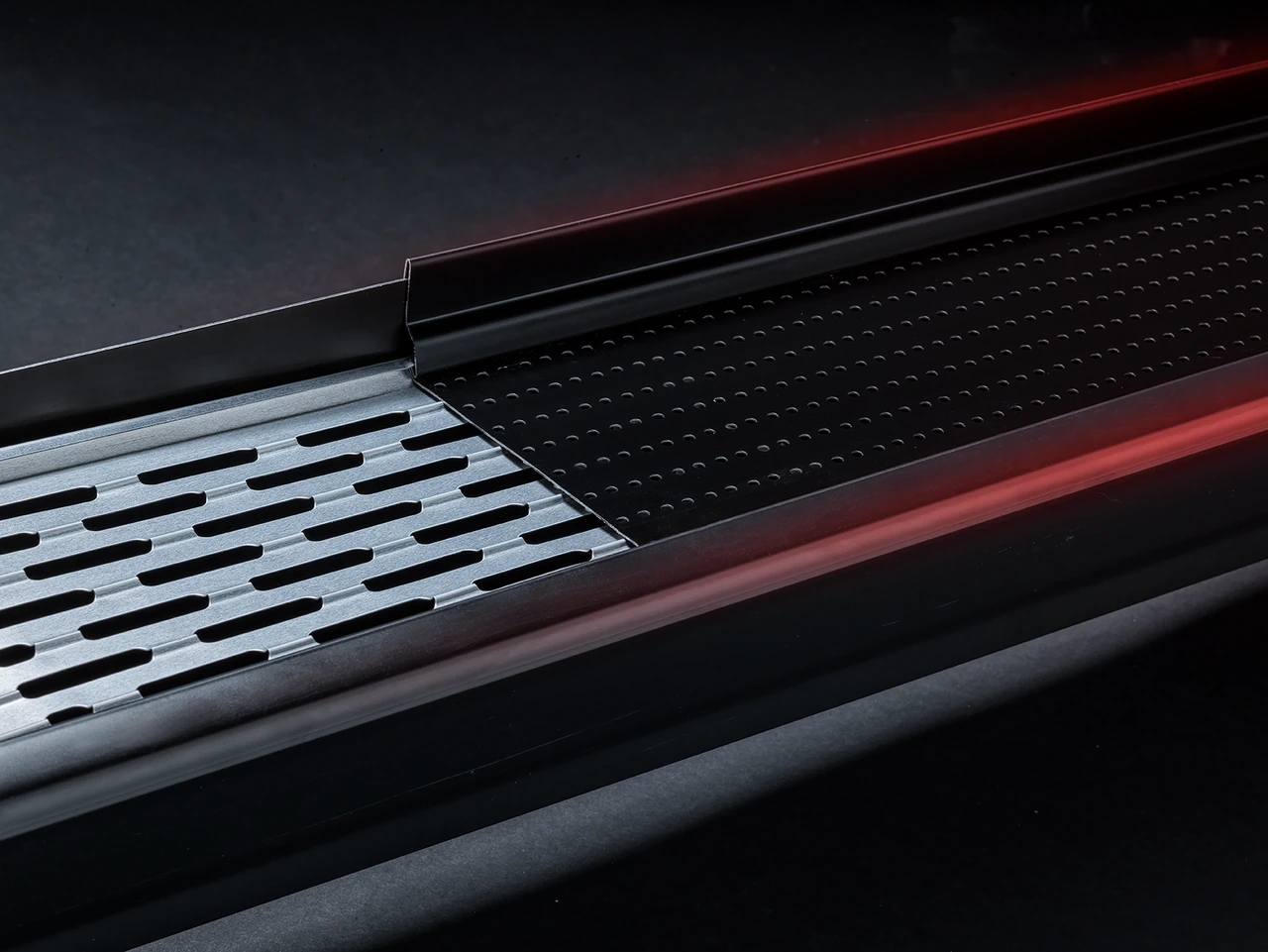
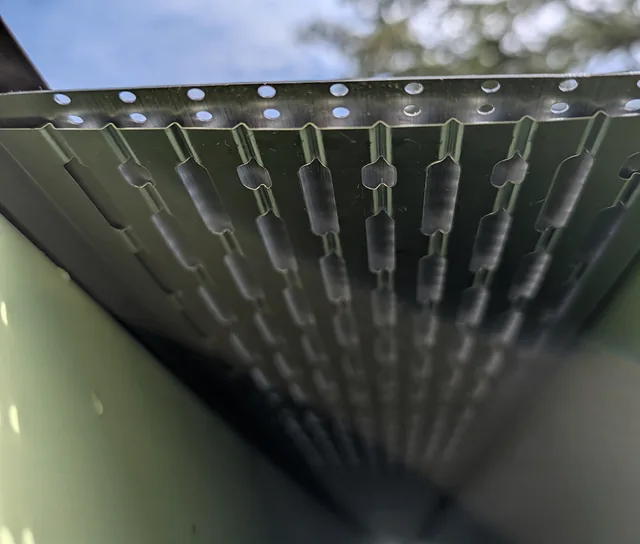
After comparing guard types on real Northeast Florida roofs, we install one system: dual-layer micro-mesh made with aluminum. The fine top layer stops pine needles, oak leaves, grit and pollen. The layer beneath supports the mesh so it holds its shape and keeps water moving into the gutter during heavy rain.
Our guard fastens to the gutter and installs without lifting your shingles, so nothing goes under the roof. It comes with a lifetime limited product warranty. You can read the exact terms on our warranty details and see how it stacks up on our compare guard types page.
Which Gutter Guard Is Best for Your Home?
- Heavy live oak or pine coverage: micro-mesh. It is the only type that keeps needles from poking through.
- Few trees and a tight budget: a sturdy screen or perforated cover can cut down on cleanings, but plan on still cleaning the gutter.
- Steep roof that sheds a lot of water fast: avoid reverse curve covers and look for a guard that takes in water across its full surface.
- Older homes in St. Augustine: fascia and gutter condition matter as much as the guard. See our guide to gutter guards for St. Augustine older homes.
- HOAs and multi-building properties: see commercial gutter guards.
What to Ask a Gutter Guard Installer
- What exactly is the guard made of, and how fine is the mesh?
- Does it attach to the gutter or go under my shingles?
- Will you check pitch, hangers and downspouts before installing? A guard will not fix a gutter that is sagging or draining the wrong way.
- How does it handle heavy rain on my roof pitch?
- What does the written warranty cover, and is it from the installer, the manufacturer or both?
- Are you licensed & insured?
- Do you clean the gutters before the guards go on?
Our process page shows how we handle each of these, and our guide on how to choose a gutter contractor in Jacksonville covers more.
Maintenance Tips for Gutter Guards in Florida
- After oak pollen season: look at the top of the guards in late spring. If a film has built up, a soft brush or a gentle rinse from the ground usually clears it.
- Before hurricane season: check that downspouts are clear and guards are fastened. Our hurricane season gutter prep guide has the full list.
- After big storms: look for branches or debris piles sitting on the guards.
- Downspouts: guards protect the gutter, but the downspout outlet and underground drains can still clog. Keep them flowing.
- Inserts (foam and brush): pull and clean them at least as often as you would clean an open gutter.
See our gutter maintenance schedule and our gutter cleaning service.
Serving Northeast Florida
We install gutter guards, seamless gutters and do gutter cleaning across Duval, St. Johns, Clay and Nassau Counties, including Jacksonville, St. Augustine, Orange Park, Fleming Island, Middleburg, Yulee and Fernandina Beach.
Frequently Asked Questions
What type of gutter guard is best?
For homes with oak or pine trees, a fine micro-mesh guard is usually best because it stops needles, grit and pollen that pass through screens, foam and brush inserts.
What are the pros and cons of gutter guards?
Guards cut down on cleanings and keep debris out of the gutter. The downsides are upfront cost and, for cheaper types, debris that still gets through or clogs the guard itself.
Do gutter guards work in heavy rain?
Good ones do. A well-supported mesh guard set at the right pitch takes in heavy rain. Reverse curve covers are the type most likely to let water overshoot in a hard downpour.
What are the best gutter guards for pine needles?
Micro-mesh. Pine needles slip into screen holes, tangle in brushes and sit in foam, but they cannot push through fine mesh.
Are gutter guards worth it in Florida?
For most homes near trees, yes. Year-round oak drop, pine needles and spring pollen mean open gutters fill up fast here, and clogged gutters overflow in summer storms.
Do gutter guards still need cleaning?
They need much less. Expect an occasional check and a light brush or rinse of the top, plus keeping downspouts clear.
Get a Free Estimate
Not sure which guard fits your roof and trees? We will measure every run, check hangers, pitch and downspouts, and hand you a written estimate. Get my free estimate or call (888) 507-4854.