.webp)

Gutters come in three main styles, four common materials and a handful of standard sizes. The combination you pick decides how much water your roof can shed during a Jacksonville downpour, how the system looks from the street and how well it holds up to salt air, humidity and falling debris. Here is how the options compare, and what we recommend for most Northeast Florida homes.
Common Gutter Styles
K-Style Gutters
The most popular choice for modern homes, K-style gutters offer:
- A decorative front profile that resembles crown molding
- More water capacity than a half-round gutter of the same width
- A flat back that mounts securely to the fascia
- Common 5-inch and 6-inch sizes, with larger sizes for big roofs
- Easy pairing with most gutter guard systems
Half-Round Gutters
A good fit for historic and traditional homes:
- Classic, curved appearance
- Smooth, open interior that drains and rinses out easily
- Common in copper installations
- Often chosen for period restorations
- Less capacity than K-style at the same width, so sizing matters
Box Gutters
Designed for commercial buildings and large residential roofs:
- Very high water capacity
- Often built into the roof structure or eave
- Custom sizes for large roof areas
- Require professional installation and careful waterproofing
Gutter Materials
Aluminum is the most common residential choice: lightweight, rust-free, affordable and available in many colors. Copper is a premium option that develops a natural patina and suits distinctive or historic homes. Steel (galvanized or stainless) is strong and heavy, but scratches and cut edges need attention in humid, coastal air. Vinyl is a budget DIY option that is easy to cut and never rusts, but it can become brittle under years of strong sun.
For a side-by-side look at the two most requested metals, read our aluminum vs copper gutters comparison. How long each material lasts depends on installation quality, maintenance and exposure, which we cover in how long do gutters last.
Gutter Sizes and Capacity
Most homes use 5-inch or 6-inch gutters, with 6-inch gutters and larger 3x4 downspouts moving noticeably more water off big or steep roof sections, while 7-inch and box gutters are reserved for large commercial roofs. Our gutter sizing guide explains how roof area, pitch and rainfall intensity determine the right size.
Other Factors That Shape the Choice
Climate
Rainfall intensity, heat, humidity, UV exposure, tree cover and wind all affect which gutter makes sense. A system that works in a dry, mild climate can overflow or wear out early on a Florida roof.
Home Architecture
Roof pitch and area, fascia condition and the style of the house all play a part. A steep roof concentrates water at the valleys, and a rotted fascia board needs repair before any new gutter can hang securely.
Maintenance Requirements
Every gutter type needs upkeep. Clogged or sagging gutters lead to:
Routine gutter cleaning and prompt gutter repair for loose hangers, leaking seams or misaligned downspouts keep any system working the way it was designed.
Installation and Cost
Professional vs. DIY
Vinyl sectional gutters are the only type most homeowners can realistically install themselves. Seamless aluminum is formed on site from a coil with a gutter machine, and getting the slope, hanger spacing and downspout placement right takes experience. Ladder work at roof height is also the biggest safety risk in any gutter project.
Cost Factors
Your total depends on the material, linear footage, number of stories, number of downspouts, roof complexity and whether old gutters or damaged fascia need to come off first. Our pricing page explains why we quote every home in person instead of posting one price online.
Protecting Your Investment With Gutter Guards
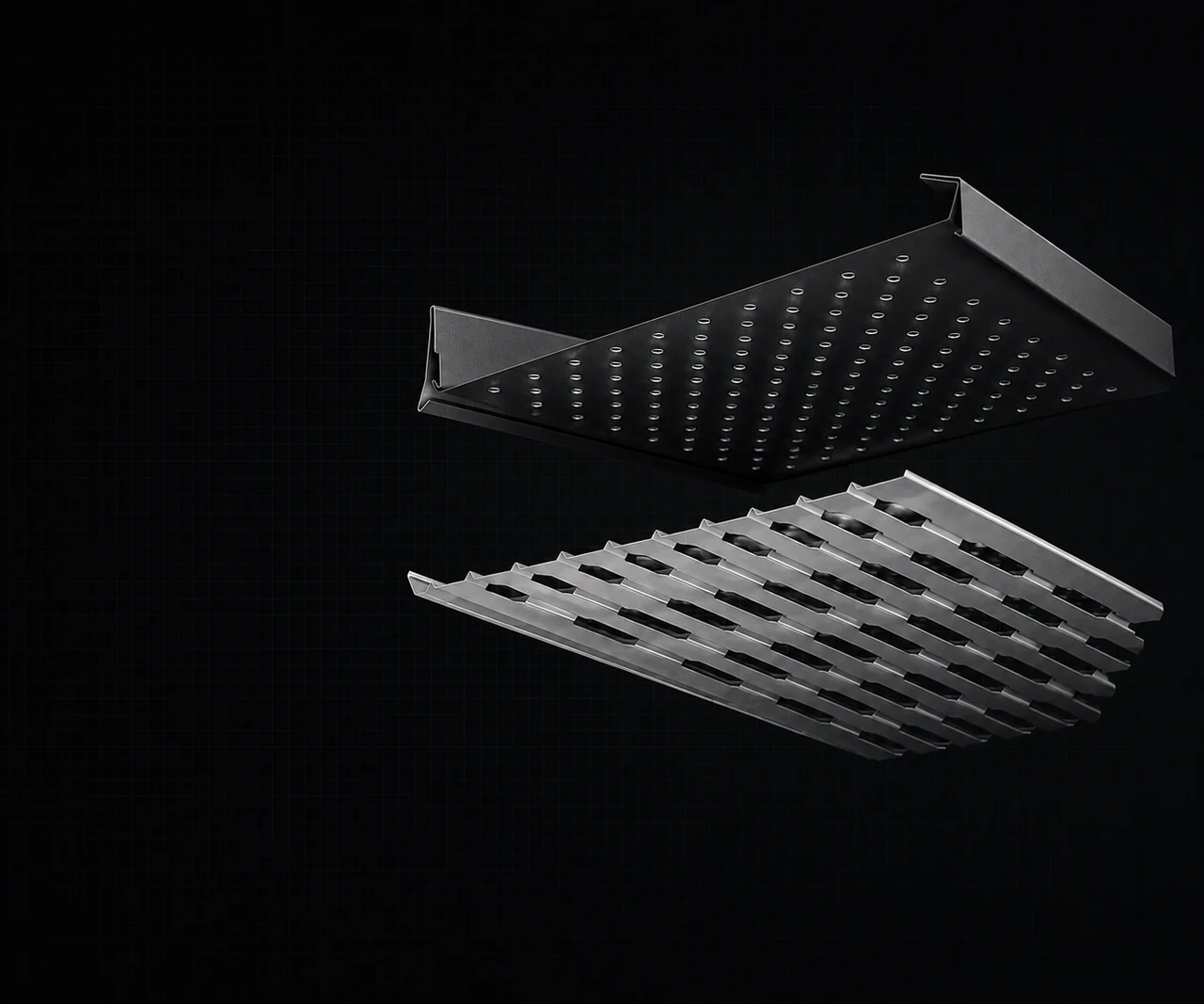
Gutter guards keep leaves, pine needles and oak debris out of the trough, so water reaches the downspouts and you stop climbing a ladder to clean. Our gutter guards install without lifting shingles, and they work with the K-style gutters on most homes.
Our Recommendation for Northeast Florida Homes
For most homes in Jacksonville and the surrounding area, we recommend seamless aluminum K-style gutters, sized for the roof and paired with gutter guards. Here is why that combination fits local conditions.
Seamless Aluminum Handles Salt and Humidity
Aluminum does not rust, which matters in humid air and near the beaches, where salt spray is hard on steel. A seamless gutter runs in one continuous piece along each roofline, so there are no joints along the run to leak or separate. Learn more about our seamless gutter installation.
Size for Downpours, Not Averages
Summer afternoon thunderstorms and tropical systems during hurricane season (June 1 to November 30) dump a lot of water in a short time. Short, heavy bursts are what overwhelm gutters, so homes with large or steep roof sections often benefit from 6-inch gutters and larger downspouts even when 5-inch gutters would handle an average rain.
Plan for Debris From Day One
Pines drop needles all year with a heavy fall drop, and live oaks shed heavily from late winter into spring. Under that kind of tree cover, open gutters can clog within weeks. Choosing a K-style system that pairs cleanly with gutter guards solves the problem at install time instead of after the first overflow.
We install, clean, repair and protect gutters for homes and commercial properties across Jacksonville, St. Augustine, Ponte Vedra, Orange Park, Fleming Island, Fernandina Beach, Gainesville, Ocala and surrounding areas. Our team brings 20+ years of combined experience, and every estimate is done in person with a written quote.
Ready to choose the right gutters for your home? Get My Free Estimate, or call our 24/7 call center at (888) 507-4854.