.webp)

Your gutters can be damaging your home long before anything looks wrong from the driveway. In Jacksonville, heavy annual rainfall, near-daily summer thunderstorms and a steady supply of pine needles and oak debris mean small gutter problems turn into fascia rot, foundation washout and interior leaks fast. With 20+ years of combined team experience fixing gutters across Northeast and North Central Florida, we can tell you the cheap fix is almost always the early one.
If you have watched rain sheet over the front of your gutters during an afternoon storm, that water is landing at your foundation, soaking your fascia boards and carving channels in your landscaping. The good news: most common gutter problems are easy to spot once you know what to look for. Below is how to identify each one, what causes it here in Florida, and whether it is a DIY job or a call to a pro.
The 7 Most Common Gutter Problems (And How to Fix Them)
1. Clogging and Overflow
The number one culprit behind gutter failures. In Northeast Florida it is not just leaves: pine needles fall year-round with a heavy drop in fall, live oaks shed leaves and tassels heavily from late winter into spring, and palm debris and roof grit fill in the rest. Warning signs include water spilling over the front edge during rain, dark stains on the siding below, and plants sprouting from the gutter.
Fix: Clear the gutters and flush the downspouts. Single-story homes are a reasonable DIY job; for anything higher, book a professional gutter cleaning. If your gutters overflow even when they are clean, the cause is usually slope, undersized gutters or too few downspouts. Our guide on why gutters overflow walks through each cause.
2. Sagging Sections
When a gutter develops a "belly," water pools instead of flowing to the downspout. Standing water adds weight, speeds up wear on the metal and seams, and breeds mosquitoes, a real concern in our climate.
Fix: Usually new or added hangers and resetting the section. It is doable for a handy homeowner on a single-story run, but sagging is often a sign of hanger failure elsewhere, so have the whole run checked.
3. Leaking Seams and Joints
Seams, corners and end caps are the most common leak points on sectional gutters. Look for drips, water marks or rust-colored stains at connection points, especially right after a summer downpour.
Fix: Clean the joint and reseal it with gutter sealant. If the same seams keep failing, seamless gutters remove most of those joints entirely.
4. Gutters Pulling Away From the Fascia
This is the most urgent problem on the list. It usually comes from storm winds, overloaded gutters, loose fasteners or rotted fascia behind the gutter. Left alone, a section can tear off completely and take fascia with it.
Fix: Call a pro. The fascia has to be checked for rot before anything is rehung, or the new fasteners will not hold. Our deep-dive on why gutters pull away from the house covers the causes and structural repairs, and our gutter repair team can rehang it properly.
5. Improper Pitch
Gutters need a slight slope toward the downspouts, commonly about ¼ inch per 10 feet. Settling, loose hangers and years of thermal movement in Florida heat can flatten that slope and leave standing water.
Fix: Re-pitching means taking sections down and rehanging them, which is a pro job on most homes. See how much slope gutters need for the details and how to check yours with a level.
6. Corrosion and Finish Damage
Aluminum does not rust, but it can pit and corrode, especially near the beaches where salt air sits on the metal. Steel gutters rust, and older galvanized systems show it first at seams and fasteners. Dark vertical streaks on the gutter face ("tiger striping") are a finish stain from dirty water running over the lip, a sign the gutter is overflowing rather than rust.
Fix: Small spots can be cleaned and sealed. Widespread rust or holes usually mean replacement is the better spend.
7. Downspout Problems
Clogged, crushed or disconnected downspouts dump water right at the foundation. In our sandy soil, that water washes out beds, undermines walkways and can lead to settling. Downspouts tied into underground pipes also clog where you cannot see it.
Fix: Flush the downspout, reattach loose sections and add extensions or splash blocks to move water away from the house. Underground drain lines are a job for a drainage contractor; we keep the gutters and downspouts feeding them clear. More on protecting your slab at preventing foundation damage.
Florida-Specific Gutter Challenges
Hurricane and Storm Damage
Storm damage tends to follow a pattern: end caps and loose hangers fail first, then whole sections start to detach. A pre-season check of hangers, end caps and downspout straps before June 1 catches most of these weak points. Our hurricane season gutter prep guide has the full checklist.
Algae and Mildew
That green-black coating on your gutters is more than cosmetic. Constant humidity and shade from oaks keep gutters damp, and organic growth holds moisture against the finish and seams.
Heat Expansion
Aluminum expands in summer heat and contracts on cool winter mornings. Over years, that movement loosens fasteners and breaks seals, which is why long sectional runs develop leaks at the joints.
Quick Inspection Checklist
- Ground level: erosion channels, washed-out mulch, water stains on the foundation
- Gutter level: visible sags, gaps at seams, overflow marks on the face
- Fascia level: peeling paint, soft wood, popped fasteners (see fascia damage)
- Roof level: shingle granules in the gutters, missing drip edge, damaged shingles
DIY vs. Professional
Safe DIY Repairs
- Cleaning single-story gutters
- Resealing a leaking seam
- Unclogging a downspout
- Adjusting splash blocks and extensions
Call a Pro For
- Any work on a second story or a steep roof
- Fascia damage or gutters pulling away
- Re-pitching full runs
- Storm damage assessment
- Full system replacement
Ladder falls are a leading cause of serious home-improvement injuries. Saving a service call is not worth a trip to the ER.
Repair, Replace or Protect: What Drives the Cost
Every home is different, so we do not publish one-size-fits-all prices (our pricing page explains why). What moves the cost of a gutter job:
- Scope: one leaking seam vs. multiple failing sections
- Fascia condition: rotted wood has to be replaced before gutters can be rehung
- Height and access: two-story homes and steep roofs take more time and safety equipment
- Linear footage and downspout count for replacements
- Material: aluminum vs. copper, and seamless vs. sectional
If you are weighing a fix against a new system, our repair vs. replace guide lays out the decision.
Prevention: Stop Clogs at the Source
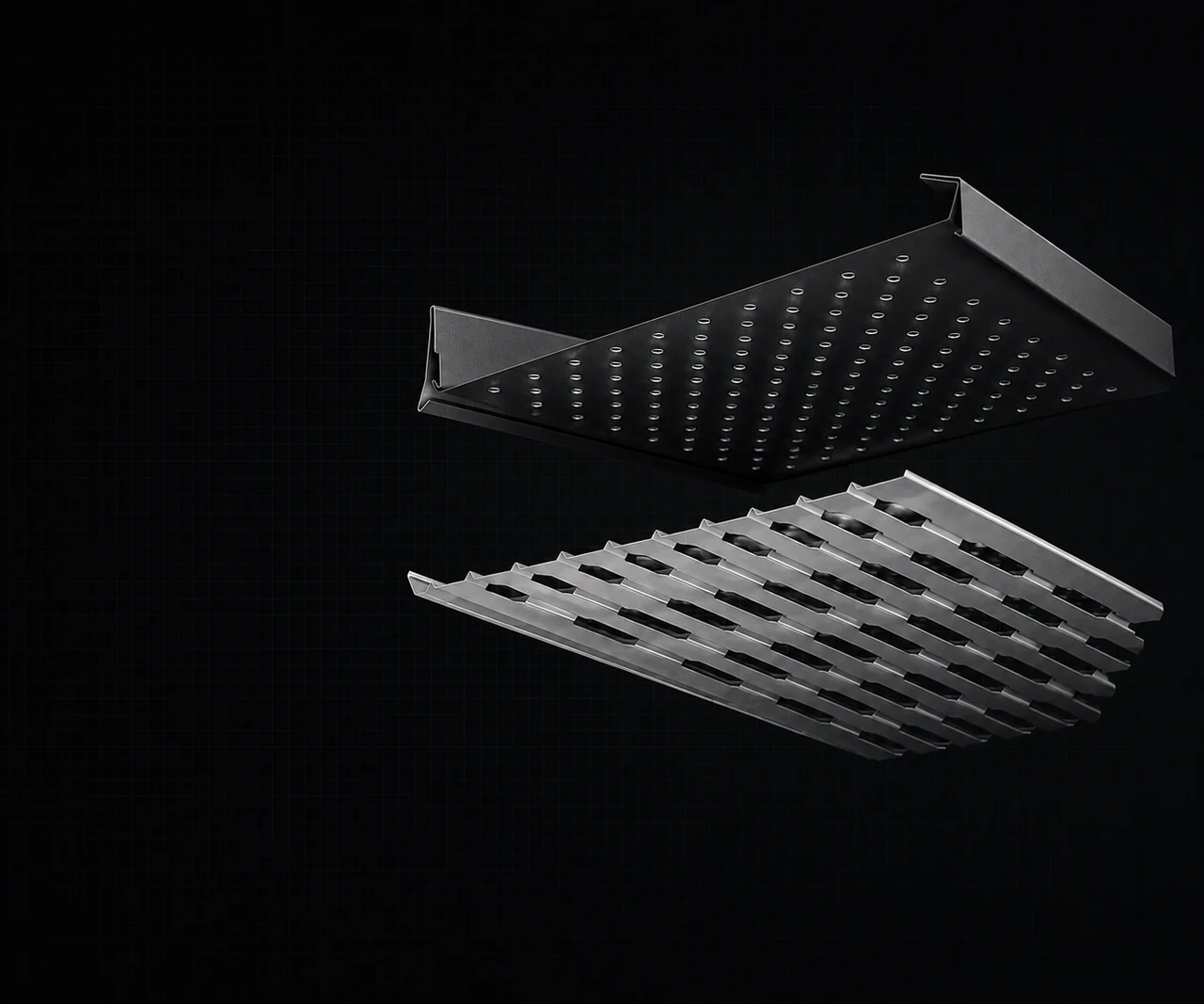
Most of the problems above start with debris. Our gutter guards keep pine needles and oak debris out of the trough so water keeps moving, and they install without lifting shingles.
Hurricane Season Preparation
- Inspect and tighten hangers in May
- Clear debris before June 1
- Run a hose through each downspout to confirm flow
- Photograph your gutters' condition for insurance records
- Get a professional look if your own check turns up problems
Warning Signs That Need Immediate Action
- Gutters pulling away from the house
- Water running behind the gutters (a fascia rot warning)
- New foundation cracks near downspouts
- Interior water stains after rain
- Carpenter ants or termites near the roofline
Problems that seem minor in the dry season get worse quickly once the summer storm pattern sets in. Ignored gutter issues lead to fascia and soffit replacement, landscape repair, interior water damage and foundation work, each far more expensive than fixing the gutter.
Frequently Asked Questions About Gutter Problems
How often should I inspect my gutters in Florida?
Quarterly is a good baseline, with thorough checks before (May) and after (November) hurricane season. Add a check after any major storm, and more often if pines or live oaks overhang your roof.
Can I repair gutters during rainy season?
Minor resealing can be done between storms, but most repairs should wait for dry conditions. Active leaks and detached sections cannot wait; our repair crews can secure them.
How long do gutters last in Jacksonville's climate?
It depends on material, installation quality and maintenance. Aluminum holds up well in our humidity, but salt air at the beaches shortens the life of any metal system. See how long gutters last for a material-by-material look.
Do gutter problems affect home insurance in Florida?
They can. Insurers may deny water damage claims tied to neglected maintenance, so document repairs and cleanings. Our gutter damage insurance guide covers what to keep on file.
When does replacement make more sense than repair?
When several sections are failing at once, when repairs keep coming back, or when the system is old and the fascia behind it is rotting. A pro inspection will tell you honestly which side of the line you are on.
Fix Small Problems Before Storm Season Does
We will tell you straight whether a simple repair solves your problem or replacement makes more sense, with a free in-person estimate and a written quote. Get My Free Estimate or call our 24/7 call center at (888) 507-4854.